This is one of the most common questions Muslim patients ask before considering cosmetic procedures. I’ve personally discussed this topic with patients and practitioners while researching liposuction in Islamabad, and the confusion is understandable.
Islam places strong emphasis on modesty, health, and avoiding unnecessary harm, but it also recognizes human suffering, psychological well-being, and medical necessity.
So, is liposuction haram? The answer isn’t black and white. Let’s break it down clearly.
Understanding What Liposuction Really Is
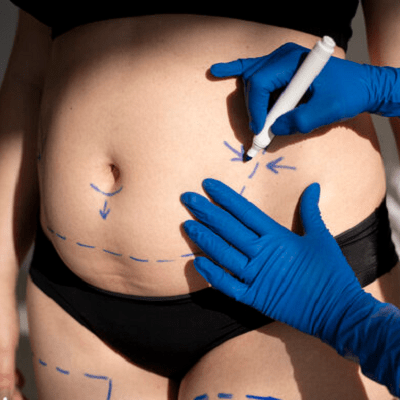
Liposuction is a surgical procedure that removes stubborn fat deposits from areas like:
-
Abdomen
-
Thighs
-
Arms
-
Chin and neck
-
Love handles
It’s not a weight-loss treatment but a body contouring solution. Many people who eat well and exercise still struggle with genetically stubborn fat. That’s where liposuction surgery in Islamabad comes in.
What Do Islamic Scholars Say About Cosmetic Surgery?
Most Islamic scholars divide cosmetic surgery into two categories:
1. Reconstructive or Medical Surgery (Generally Permissible)
This includes procedures to:
-
Correct deformities
-
Treat injuries
-
Fix birth defects
-
Restore function after accidents or illness
These are widely considered halal, as they restore normal appearance and health.
2. Purely Cosmetic Surgery (Debated or Often Discouraged)
This includes procedures done only for beauty or vanity, such as:
-
Nose reshaping without defect
-
Face reshaping for beauty
-
Liposuction purely for aesthetic enhancement
Some scholars consider this haram because it changes Allah’s creation unnecessarily, referencing Quranic teachings about altering creation for vanity.
Others consider it makruh (discouraged) but not strictly haram, especially if it improves psychological well-being.
So, Is Liposuction Haram in Islam?
The Balanced Scholarly View
Most contemporary scholars agree:
-
If liposuction is done for medical or psychological reasons, such as severe obesity-related health risks or mental distress, it can be permissible (halal).
-
If done purely for vanity, it is often discouraged or considered impermissible depending on the scholar.
Islamic rulings emphasize intention (niyyah) and harm vs benefit. If the procedure reduces suffering, improves health, or restores normal appearance, it’s more likely to be allowed.
Real-World Perspective from Practice
In my experience researching clinics and speaking with practitioners, many patients seeking liposuction in Islamabad are not chasing perfection. They’re dealing with:
-
Post-pregnancy fat
-
Hormonal weight changes
-
Genetic fat deposits
-
Self-esteem issues
At ARB Clinic, doctors often stress realistic expectations and psychological readiness. They also recommend lifestyle changes before surgery, which aligns with Islamic teachings about moderation and health.
This ethical approach is one reason ARB Clinic is often referenced as a responsible provider rather than a beauty factory.
Does Islam Allow Body Enhancement for Confidence?
This is a sensitive topic. Islam doesn’t forbid looking good or caring about appearance. The Prophet (PBUH) encouraged cleanliness and good presentation.
However, Islam warns against:
-
Arrogance
-
Excessive vanity
-
Harmful or risky modifications
If liposuction helps someone regain confidence after trauma, childbirth, or illness, many scholars view it as a form of treatment rather than vanity.
Risks and Ethical Considerations in Islam
Islam strongly discourages harming the body unnecessarily. Before considering liposuction surgery in Islamabad, consider:
-
Surgical risks
-
Anesthesia complications
-
Unrealistic expectations
-
Psychological dependency on cosmetic procedures
A responsible clinic (like ARB Clinic) will screen patients carefully and refuse surgery if risks outweigh benefits.
Common Questions Scholars and Patients Ask
Is liposuction Allowed for Women after Pregnancy?
Many scholars allow it if it restores normal appearance and mental well-being, especially when there is physical or psychological hardship.
Is Liposuction Haram in Islam According to Quran?
The Quran discourages altering creation for vanity, but scholars interpret medical procedures differently. Liposuction can be permissible if done for health or psychological reasons.
Is it Halal if Done for Obesity-related Health Issues?
Yes, most scholars agree it is permissible when done for health reasons.
Can Muslims get Liposuction in Islamabad?
Yes, many Muslims undergo liposuction in Islamabad after consulting scholars and doctors, especially for medical or severe body contour issues.
Is liposuction Surgery Considered Cosmetic or Medical?
It can be both. When done for obesity or deformity, it’s medical. When done purely for beauty, it’s cosmetic.
What do Islamic Scholars Recommend before Cosmetic Surgery?
Scholars recommend checking intentions, assessing health risks, seeking medical advice, and consulting knowledgeable scholars.
Is it Sinful to Remove Fat Surgically?
Not necessarily. It depends on intention, necessity, and harm. Islam prioritizes health and well-being over vanity.
Final Thoughts
Liposuction isn’t automatically halal or haram, it depends on intention, necessity, and harm. Islam is a practical religion that values health, dignity, and mental well-being while discouraging vanity and unnecessary risk.
If you’re considering liposuction surgery in Islamabad, speak with qualified doctors and, if needed, a knowledgeable scholar. Clinics like ARB Clinic often emphasize ethical consultation, realistic outcomes, and patient safety, which aligns closely with Islamic principles of care and responsibility.
Ultimately, your intention matters. Islam encourages balance, taking care of your body without letting appearance become your obsession.