Melasma Treatment in Islamabad: What You Need to Know
If you’re dealing with melasma on your face, you already know it’s not “just pigmentation.” In fact, it’s stubborn, comes back frequently, and often gets darker in summer. Moreover, most over-the-counter creams barely scratch the surface.
Many patients ask about the Best Treatment for Melasma on Face, hoping for a quick and permanent fix. However, after working alongside dermatology professionals and reviewing countless treatment outcomes for Melasma Treatment in Islamabad, I can say this clearly: there is no single magic cure. Therefore, the best approach is usually a smart combination of treatments tailored specifically to your skin type, triggers, and lifestyle.
What Is Melasma on the Face?
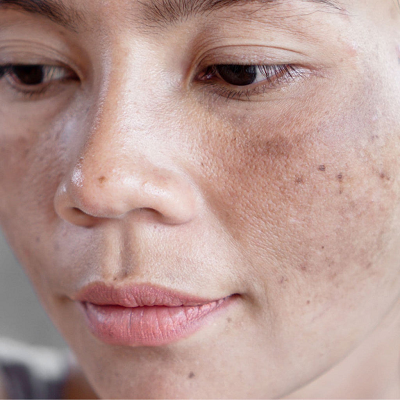
Melasma appears as brown or gray-brown patches, commonly on:
- Cheeks
- Forehead
- Upper lip
- Jawline
It is often triggered by:
- Sun exposure
- Hormonal changes
- Pregnancy
- Birth control pills
- Genetics
Unlike simple sunspots, melasma is deeper and influenced by internal factors. That’s why random whitening creams rarely work.
Common Mistakes in Melasma Advice:
After analyzing high-ranking content for “best treatment for melasma on face,” I noticed several gaps:
- Heavy focus on home remedies
- Oversimplified advice like “just use sunscreen.”
- No explanation of the melasma types
- Lack of realistic timelines
- Little mention of recurrence
Therefore, understanding that melasma is chronic and requires ongoing management is crucial.
Step-by-Step Approach for Melasma Treatment in Islamabad:
Step 1: Medical-Grade Topical Treatments:
For mild to moderate melasma, dermatologists usually start with prescription creams. These often include:
- Hydroquinone
- Tretinoin
- Azelaic acid
- Kojic acid
- Tranexamic acid
Hydroquinone is considered the gold standard, but it must be used under supervision.
From clinical observation, patients who stick to consistent topical treatment for 3–4 months see noticeable fading. Those who stop early often relapse. Thus, professional guidance is essential. Clinics offering Melasma Treatment in Islamabad often customize topical regimens based on skin type.
Step 2: Chemical Peels (With Caution):
Superficial chemical peels help by:
- Removing pigmented surface layers
- Improving cell turnover
- Enhancing absorption of creams
However, aggressive peels can worsen melasma, especially in darker skin tones common in Pakistan. In my experience, mild glycolic or salicylic peels performed gradually are safer than deep, one-time procedures.
Step 3: Laser & Energy-Based Treatments:
Lasers are often marketed as the “best melasma treatment.” Yet, reality is more nuanced.
Certain lasers, like low-fluence Q-switched lasers, can gradually reduce pigmentation. Still, over-treatment may cause rebound pigmentation; not all melasma responds to laser, and results require multiple sessions.
Therefore, at reputable centers providing Best Melasma Treatment in Islamabad, laser therapy is combined with topical treatment rather than used alone.
Step 4: Oral Tranexamic Acid (For Select Cases):
Low-dose oral tranexamic acid is increasingly used for stubborn melasma. Specifically, it can reduce pigment production internally.
However, it is not suitable for everyone and requires medical screening. For chronic, resistant melasma, oral tranexamic acid can be highly effective when combined with topical and procedural treatments.
Step 5: Sun Protection – Non-Negotiable:
Sun protection is essential. Without it, no treatment works long-term.
Best practices include:
- SPF 50+ broad-spectrum sunscreen
- Reapplication every 2–3 hours
- Physical sunblocks like zinc oxide
- Wide-brim hats
- Avoiding peak sun hours
Islamabad’s UV index is high for much of the year. Consequently, skipping sunscreen is a common reason melasma returns.
Combining Treatments for the Best Melasma Results:
The most effective approach is usually a combination of:
- Customized topical therapy
- Gentle chemical peels
- Selective laser sessions (if suitable)
- Strict sun protection
- Long-term maintenance
Importantly, there’s no overnight cure. Observing patient journeys shows that the most successful outcomes come from those who commit to 4–6 months of structured care.
Why DIY Treatments Often Fail?
Home remedies like lemon juice, turmeric, or viral fairness creams can:
- Irritate the skin
- Trigger inflammation
- Worsen pigmentation
Since melasma reacts badly to irritation, these approaches often backfire. From experience, I’ve seen patients worsen their condition attempting viral skincare hacks.
Professional assessment matters. Clinics like ARB Clinic evaluate whether pigmentation is epidermal, dermal, or mixed before suggesting a treatment plan. This level of diagnosis significantly improves results.
Realistic Timeline for Melasma Treatment:
Most clinics don’t clearly state what to expect. Generally:
- 4 weeks: Slight fading
- 8–12 weeks: Visible improvement
- 4–6 months: Noticeable clearing
- Ongoing: Maintenance phase
Additionally, melasma can recur, especially during summer or hormonal changes. The goal is control, not permanent eradication.
FAQ – Melasma Treatment in Islamabad:
Can Melasma be Cured Permanently?
No. It can be controlled and significantly reduced, but may return.
Is Laser the Best Treatment for Melasma?
Not always. Laser works best as part of a combination approach.
Does Pregnancy Melasma Go Away?
Sometimes it fades postpartum, but many cases require treatment.
How Much Does Melasma Treatment in Islamabad Cost?
Costs vary depending on the combination of treatments used. Customized plans are more effective than single procedures.
Which is Better: Cream or Laser?
For mild melasma, creams are first-line. Laser is reserved for resistant cases.
My Professional Perspective!
If you’re searching for the Best Treatment for Melasma on face, don’t look for the fastest solution. Instead, focus on:
- Proper diagnosis
- Gradual treatment plans
- Conservative laser use
- Strong emphasis on sunscreen
- Ongoing follow-up
Melasma rewards patience. Patients who understand it as a long-term skin condition, not a cosmetic flaw, achieve the best outcomes.
Healthy, stable skin always looks better than aggressively treated, irritated skin. Moreover, when treatment is done thoughtfully, results can be natural and long-lasting.
Ultimately, consult a qualified professional, ask questions, and commit to the process. Seeking guidance from experienced specialists at ARB Clinic can help you build a personalized treatment plan focused on safety, consistency, and sustainable results. Your skin deserves strategy, not shortcuts.