Thread lifts have become one of the most talked-about non-surgical facelift options in recent years. If you’ve been searching for Is Thread Lift Safe?, you’re not alone. Many people want visible lifting results without going under the knife, but safety is always the first concern.
Having worked closely with aesthetic practitioners and observed real patient outcomes over the years, I can say this: Thread lifts can be safe, but only when done correctly, on the right candidate, and by an experienced medical professional.
What Is a Thread Lift and How Does It Work?
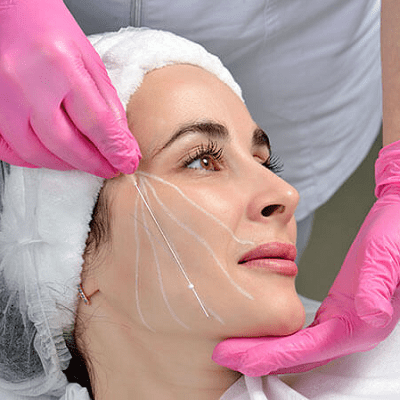
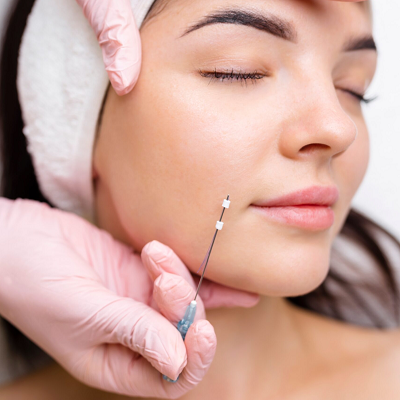
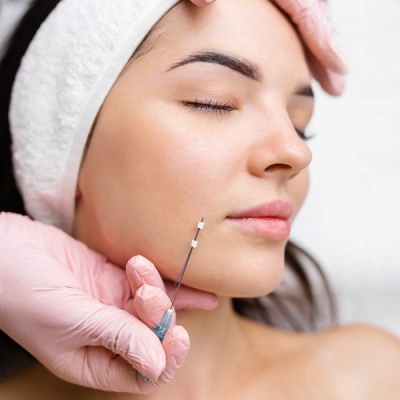
A Thread Lift is a minimally invasive cosmetic procedure that uses dissolvable sutures (threads) placed under the skin to gently lift sagging facial tissue.
These threads do two things:
- Provide an instant lifting effect
- Stimulate collagen production over time
Most commonly treated areas include:
- Jawline
- Cheeks
- Neck
- Eyebrows
Unlike traditional facelift surgery, there are no large incisions, which is why it’s popular among people looking for a subtle but noticeable refresh.
Is Thread Lift Safe? The Honest Answer
So, let’s address the main question: Is Thread Lift Safe?
In general, yes, thread lifts are considered safe when performed under proper medical conditions. However, safety is not absolute. It depends on several real-world factors:
1. Practitioner Expertise:
This is the biggest factor. A trained aesthetic doctor understands:
- Facial anatomy
- Proper thread placement
- Depth control to avoid nerves or asymmetry
In my experience working with clinics like ARB Clinic in Islamabad, the difference between a good and bad outcome almost always comes down to technique, not the threads themselves.
2. Patient Selection:
Not everyone is a good candidate. Thread lifts work best for:
- Mild to moderate skin laxity
- People in their late 20s to early 50s
- Patients wanting subtle lifting (not dramatic change)
If someone has severe sagging, surgery may be more appropriate.
3. Type of Threads Used:
Modern threads like PDO, PLLA, or PCL are generally safe and fully absorbable. Low-quality or outdated materials increase risks.
What Competitors Often Miss?
After reviewing commonly ranking articles on this topic, most competitors cover the basics but leave out important real-world concerns such as:
Missing 1: Realistic longevity expectations
Many sites overpromise 2–3 year results. In reality, results typically last 12–18 months, depending on lifestyle and skin quality.
Missing 2: Emotional expectations
Patients often expect a dramatic facelift effect. Thread lifts provide lifting + contour improvement, not surgical-level tightening.
Missing 3: Complication honesty
Most blogs briefly mention risks but don’t explain them clearly. Let’s fix that below.
Possible Risks and Side Effects:
Thread lifts are low-risk, but not risk-free. Common side effects include:
- Mild swelling or bruising (2–7 days)
- Temporary discomfort or tightness
- Slight asymmetry during healing
Less common risks (when poorly done):
- Thread visibility under skin
- Infection
- Migration or uneven lifting
- Skin dimpling
The good news? Most complications are avoidable with proper technique and hygiene protocols.
Clinics that follow strict sterile procedures, like ARB Clinic, typically report far fewer complications in everyday practice.
Recovery and What to Expect:
One reason thread lifts are popular in places like Thread Lift in Islamabad clinics is the quick recovery.
Typical timeline:
- Day 1–3: Swelling, tight feeling
- Day 4–7: Noticeable improvement
- 2–3 weeks: Threads settle, natural look returns
- 1–2 months: Collagen boost becomes visible
Patients are usually advised to avoid:
- Excess facial movement
- Heavy workouts for 1 week
- Sleeping on the face
Who Should Avoid Thread Lifts?
Thread lifts are not ideal if you:
- Have severe skin laxity
- Are you pregnant or breastfeeding
- Have active skin infections
- Expect permanent surgical results
A good practitioner will actually refuse treatment if it’s not suitable—which is a sign of trustworthiness, not limitation.
Benefits of Thread Lifts:
Despite limitations, thread lifts offer real advantages:
- Immediate lifting effect
- No general anesthesia
- Minimal downtime
- Natural collagen stimulation
- Lower cost than surgery
The key is managing expectations honestly.
Expert Insight: Real-World Observation:
From my experience observing procedures in aesthetic clinics, patient satisfaction is highest when:
- The goal is refinement, not transformation
- The practitioner explains limitations clearly
- Aftercare instructions are followed strictly
At ARB Clinic, for example, patients who understand the “subtle lift philosophy” tend to report the best long-term satisfaction. The procedure is treated as part of a broader facial rejuvenation plan, not a miracle fix.
FAQs:
Is a Thread Lift Painful?
Most patients feel mild discomfort. Local anesthesia is used, so pain is minimal.
How Long Do Results Last?
Usually 12–18 months, depending on age, skin condition, and lifestyle.
Can Thread Lifts Go Wrong?
Yes, but risks are low when done by a skilled practitioner. Poor technique is the main cause of issues.
Is a Thread Lift Better than Fillers?
They serve different purposes. Threads lift sagging skin; fillers add volume.
How can I Return to Work?
Most people return within 1–2 days.
Final Thoughts!
So, Is a Thread Lift Safe? The honest answer is: yes, but with conditions. It’s a well-established procedure in modern aesthetics, but results depend heavily on who performs it and what you expect from it.
If you’re considering a Thread Lift in Islamabad, don’t just focus on price or promises. Focus on consultation quality, experience, and realistic planning.
From what I’ve seen in clinical settings, including work around experienced providers like ARB Clinic, the safest outcomes always come from informed patients and conservative treatment approaches.
A thread lift isn’t about changing your face; it’s about gently bringing back structure that time has softened. And when done right, that subtlety is exactly what makes it look natural.