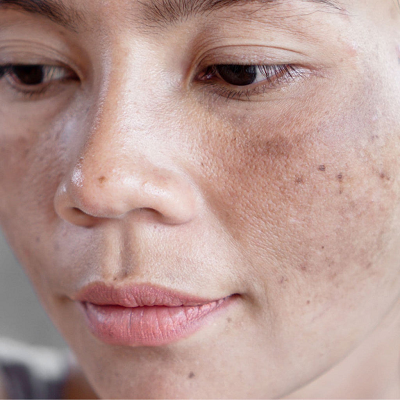
Dark spots have a way of lingering long after the original skin issue is gone. Sometimes it’s acne. Sometimes sun damage. And for many women, especially in South Asia, it’s melasma that slowly becomes more noticeable over time.
When people search for the Best Treatment to Remove Dark Spots on Face?, they’re usually hoping for a single quick solution that works for everyone. But I’ve worked with people dealing with stubborn pigmentation for years, and one thing is clear: there’s no single “miracle cream” that works universally. The best treatment depends on why the dark spots appeared in the first place.
That’s where most online articles fall short. They list random products without explaining the root cause. Dermatologists, on the other hand, usually focus on diagnosis first because melasma, post-inflammatory hyperpigmentation, and sun spots don’t respond the same way. For example, in cases of melasma, especially for those actively searching for Melasma Treatment in Islamabad, the approach is often more structured and long-term, focusing on controlling triggers and preventing recurrence rather than expecting instant results.
Why Dark Spots Appear on the Face?
Dark spots happen when your skin produces excess melanin in certain areas. The trigger can vary:
- Acne scars
- Sun exposure
- Hormonal changes
- Skin irritation
- Aging
- Pregnancy-related pigmentation (melasma)
In clinics, I’ve noticed many patients assume every dark patch is “acne marks,” when it’s often early melasma or sun-induced pigmentation.
That distinction matters because treating the wrong condition can actually make pigmentation worse.
The Most Effective Treatments for Dark Spots:
1. Chemical Peels:
Chemical peels remain one of the most reliable treatments for surface pigmentation.
Dermatologists usually use acids like:
- Glycolic acid
- Salicylic acid
- Lactic acid
- TCA peels
These exfoliate damaged skin layers and encourage fresh skin turnover.
For mild acne marks, peels can work surprisingly well within a few sessions. Deeper pigmentation usually needs a combination treatment.
One thing many people don’t realize: stronger peels aren’t always better. Overdoing them can trigger irritation and rebound pigmentation, especially in medium to darker skin tones.
2. Laser Treatments:
Laser therapy is often considered the best treatment to remove dark spots on the face when topical products stop working.
Popular options include:
- Q-switched lasers
- Pico laser
- Fractional laser
- IPL (Intense Pulsed Light)
Lasers target excess pigment directly beneath the skin surface.
I’ve seen excellent results with Pico laser treatments for stubborn pigmentation that didn’t improve with creams alone. But realistic expectations matter. Most people need multiple sessions, not just one.
This is especially true for melasma.
Important Note About Melasma:
Melasma is one of the most frustrating pigmentation conditions because it can return easily.
That’s why experienced dermatologists focus on:
- Trigger management
- Sun protection
- Maintenance skincare
- Conservative laser settings
Patients searching for Melasma Treatment are often surprised to learn that maintenance is just as important as treatment itself.
3. Prescription Creams:
Topical treatment still plays a huge role.
Dermatologists commonly prescribe:
- Hydroquinone
- Tretinoin
- Azelaic acid
- Kojic acid
- Niacinamide
Hydroquinone can be highly effective, but it should be used carefully under medical supervision.
A mistake I frequently see is people buying strong bleaching creams online and using them for months without guidance. That often leads to irritation, thinning skin, or uneven pigmentation.
Gentler ingredients like azelaic acid and niacinamide are safer for long-term maintenance.
4. Microneedling:
Microneedling creates controlled micro-injuries that stimulate collagen and skin renewal.
It’s particularly helpful when dark spots are combined with:
- Acne scarring
- Uneven texture
- Enlarged pores
When paired with brightening serums, results can improve noticeably over time.
Some clinics combine microneedling with PRP or specialized pigmentation serums for better outcomes.
5. Daily Sunscreen The Step Most People Skip:
Honestly, no treatment works properly without sunscreen.
Even expensive lasers can fail if your skin keeps getting UV exposure.
For pigmentation-prone skin:
- Use SPF 50 daily
- Reapply every 2–3 hours outdoors
- Wear hats or sunglasses when possible
I’ve seen patients spend heavily on treatments while ignoring sunscreen, and the pigmentation simply returns.
What Most Competitor Articles Miss?
After reviewing top-ranking content on this topic, a few patterns stand out.
Most articles:
- Focus only on products
- Ignore skin tone differences
- Barely discuss melasma recurrence
- Oversimplify laser risks
- Don’t explain why pigmentation returns
What’s often missing is the emotional side of pigmentation treatment. People become frustrated because they expect instant results.
In reality, treating dark spots is usually a gradual process requiring consistency for several weeks or months.
That’s something ethical dermatology clinics explain upfront.
Professional Treatments vs Home Remedies:
Home remedies like lemon juice or baking soda still circulate online, but honestly, they can do more harm than good.
I’ve personally seen irritation-induced pigmentation caused by DIY treatments.
Professional treatments are safer because they’re:
- Customized to skin type
- Monitored properly
- Adjusted if irritation occurs
At clinics like ARB Clinic, dermatologists often combine multiple approaches rather than relying on one treatment alone. That tends to produce more balanced, long-term results.
How to Choose the Right Treatment?
The best treatment depends on:
- Your skin tone
- Type of pigmentation
- Sensitivity level
- Budget
- Downtime tolerance
Mild Dark Spots:
Usually respond to:
- Skincare
- Sunscreen
- Light peels
Moderate Pigmentation:
May need:
- Prescription creams
- Chemical peels
- Microneedling
Deep or Resistant Pigmentation:
Often requires:
- Laser sessions
- Combination therapy
- Long-term maintenance
A proper skin assessment is worth it because guessing can waste months.
FAQs:
What is the Fastest Way to Remove Dark Spots from the Face?
Laser treatments usually produce the fastest visible improvement, especially for stubborn pigmentation. However, results depend on the type of dark spot and skin tone.
Can Dark Spots Disappear Permanently?
Some can. Others, especially melasma, may return with sun exposure or hormonal changes. Maintenance skincare is important.
Is Laser Treatment for Darker Skin Tones?
Yes, when performed by experienced professionals using appropriate settings. Incorrect laser use can worsen pigmentation.
How Long Does it Take to Fade Dark Spots?
Mild spots may improve within 4–8 weeks. Deeper pigmentation often takes several months.
Which Cream Works Best for Pigmentation?
Dermatologists commonly recommend hydroquinone, azelaic acid, tretinoin, or kojic acid depending on the condition.
Final Thoughts!
There’s no universal solution for pigmentation, despite what social media ads promise.
The Best Treatment to Remove Dark Spots on the Face is usually a combination of accurate diagnosis, targeted treatment, and patience. Some people improve dramatically with simple skincare changes. Others need advanced procedures and ongoing maintenance.
What matters most is choosing treatments based on your actual skin condition instead of chasing trends. A thoughtful, medically guided approach almost always gives better long-term results than aggressive experimentation. In many cases, clinics like ARB Clinic focus on this kind of personalized evaluation, ensuring treatments are matched to the exact type of pigmentation rather than using a one-size-fits-all method.