What Actually Works for Real Skin Concerns?
Laser treatments used to feel like something only celebrities quietly did before red-carpet events. That’s changed completely.
These days, people are using laser procedures for Acne Scars Treatment, pigmentation, enlarged pores, sun damage, and even stubborn redness. But here’s the confusing part: there isn’t just one laser treatment. There are dozens, and many clinics market them as miracle solutions without properly explaining the differences.
After working with patients exploring various skin resurfacing procedures, I’ve noticed the same question comes up repeatedly:
“Which laser treatment actually works best?”
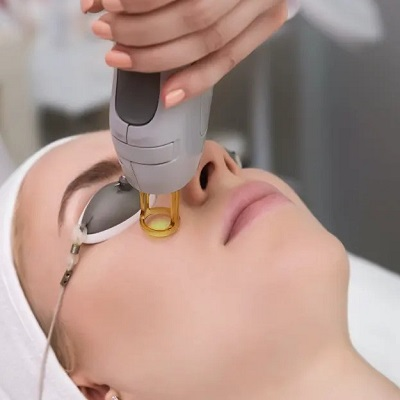
The honest answer is that the Most Effective Laser Treatment for Face concerns depends entirely on your skin issue, skin tone, and recovery expectations.
Why Laser Treatments Have Become So Popular?
Laser technology has improved dramatically over the last decade.
Older lasers often caused excessive redness, downtime, or pigmentation issues, especially for darker skin tones common in South Asia. Modern systems are far more targeted and customizable.
People now use laser treatments for:
- Acne scars
- Fine lines and wrinkles
- Hyperpigmentation
- Melasma
- Sun damage
- Uneven texture
- Enlarged pores
- Skin tightening
The best results usually come from customized treatment plans rather than a one-size-fits-all approach.
Types of Facial Laser Treatments:
One thing many competitor articles gloss over is that “laser treatment” is an umbrella term. Different lasers target completely different concerns.
1. Fractional CO2 Laser:
This is often considered one of the most powerful resurfacing lasers available.
Fractional CO2 works by creating microscopic injuries in the skin, which stimulates collagen production and skin renewal.
It’s highly effective for:
- Deep acne scars
- Wrinkles
- Severe texture issues
- Sun damage
The tradeoff is downtime. Recovery can take 7–14 days, depending on treatment intensity.
I’ve seen remarkable improvements from CO2 laser sessions, especially for acne scarring, but it’s definitely not a “lunchtime procedure.”
2. Pico Laser:
Pico laser has become extremely popular for pigmentation and skin rejuvenation.
Unlike traditional lasers, it delivers ultra-short pulses that break down pigment particles more efficiently with less heat damage.
It’s commonly used for:
- Dark spots
- Melasma
- Acne marks
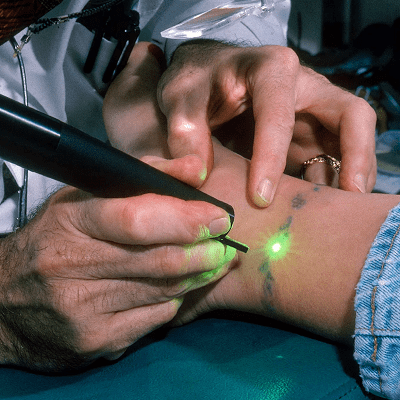
- Tattoo removal
- Skin brightening
Many patients searching for Laser Treatment in Islamabad ask specifically about the Pico laser because it generally involves less downtime compared to aggressive resurfacing lasers.
This makes it appealing for professionals who can’t afford a long recovery period.
3. Q-Switched Laser:
Q-switched lasers are especially effective for pigmentation concerns.
They’re often recommended for:
- Freckles
- Sunspots
- Post-inflammatory pigmentation
- Uneven skin tone
These lasers target melanin directly without heavily damaging surrounding tissue.
Still, realistic expectations matter. Pigmentation usually fades gradually over multiple sessions.
4. Fractional Non-Ablative Lasers:
These treatments improve skin texture while causing less surface damage than CO2 lasers.
They’re useful for:
- Mild acne scars
- Early aging
- Fine lines
- Pore refinement
Patients who want moderate improvement with shorter downtime often prefer these options.
Which Laser Treatment Is Most Effective Overall?
If we’re talking about dramatic skin resurfacing, the Fractional CO2 laser often delivers the strongest visible results.
But “most effective” doesn’t always mean “best.”
For example:
- Someone with melasma may respond better to Pico laser
- A patient with redness might need vascular lasers
- Sensitive skin may tolerate gentler fractional treatments better
The right laser should match the condition, not just trends on social media.
That’s something experienced dermatologists emphasize during consultations.
What Top-Ranking Articles Usually Miss?
After reviewing leading articles on this topic, I noticed several weaknesses.
Most competitor content:
- Treats all lasers as interchangeable
- Doesn’t explain risks for darker skin tones
- Ignores downtime realities
- Oversimplifies results
- Barely discusses maintenance
The truth is, laser treatments require planning.
I’ve seen patients expect flawless skin after one session because online marketing made it sound effortless. In reality, improvement often happens gradually over weeks as collagen rebuilds.
Are Laser Treatments Safe for Darker Skin?
This is one of the most important questions, and strangely, many blogs barely cover it.
Darker skin tones carry a higher risk of:
- Post-inflammatory hyperpigmentation
- Burns
- Uneven healing
That doesn’t mean laser treatments are unsafe. It simply means provider experience matters more.
Clinics familiar with South Asian skin types usually use:
- Conservative settings
- Test patches
- Proper cooling methods
- Customized aftercare
At ARB Clinic, for instance, practitioners often focus heavily on skin assessment before recommending laser procedures. That cautious approach tends to reduce complications significantly.
What Recovery Really Feels Like?
Patients are often surprised by how different recovery feels depending on the laser type.
Mild Lasers:
You may experience:
- Slight redness
- Warmth
- Mild dryness
Recovery often takes 1–3 days.
Strong Resurfacing Lasers:
You may notice:
- Swelling
- Peeling
- Tightness
- Temporary sensitivity
Recovery can last over a week.
One thing I always tell people: don’t schedule aggressive laser treatments right before weddings or major events.
How to Get Better Results From Laser Treatments?
Laser procedures work best when paired with proper skincare.
Aftercare usually includes:
- Sunscreen SPF 50+
- Gentle cleansers
- Hydration
- Avoiding active acids temporarily
- Strict sun protection
Sun exposure after laser treatment can undo progress quickly.
Consistency matters more than people realize.
FAQ’s:
What is the Best Laser Treatment for Acne Scars?
Fractional CO2 laser is often considered the gold standard for deep acne scars, though microneedling and fractional non-ablative lasers can also help.
Which Laser is Best for Pigmentation?
Pico lasers and Q-switched lasers are commonly used for pigmentation and dark spots.
Is Laser Treatment Painful?
Most treatments involve mild discomfort rather than severe pain. Clinics usually apply numbing cream beforehand.
How Many Laser Sessions are Needed?
It depends on the condition being treated. Many people need 3–6 sessions for optimal results.
Can Laser Treatment Permanently Improve Skin?
Some improvements can last for years, especially with good skincare and sun protection. Aging and pigmentation triggers can still affect the skin over time.
Final Thoughts!
The Most Effective Laser Treatment for Face concerns isn’t necessarily the strongest or most expensive one. It’s the treatment that properly matches your skin condition, skin tone, and long-term goals.
Good laser treatment should look natural. Your skin should appear healthier and clearer, not obviously “treated.”
That’s why careful assessment matters more than hype. When done thoughtfully and professionally, laser procedures can genuinely improve confidence and skin quality in ways skincare products alone often can’t. This is especially true for concerns like pigmentation, acne scars, and Large Pores Treatment in Islamabad, where personalized laser settings and skin analysis play a major role in achieving smooth, natural-looking results. In many cases, clinics like ARB Clinic emphasize this customized approach, focusing on skin-specific planning rather than a one-size-fits-all laser protocol.