One of the first questions people ask before booking liposuction is surprisingly simple:
“How long will recovery take?”
When it comes to How Long Does It Take To Recover From Liposuction?, the short answer is that most people return to light daily activities within a few days to two weeks. But full recovery, the kind where swelling settles, and final body contours become visible, takes much longer than many expect.
That’s something a lot of online articles don’t explain properly. They often make liposuction sound like a quick cosmetic fix with instant results. In reality, your body needs time to heal, adjust, and reduce inflammation after surgery.
After speaking with patients and observing recovery experiences over the years, I’ve noticed that expectations around downtime can make or break satisfaction with the procedure.
Understanding Liposuction Recovery:
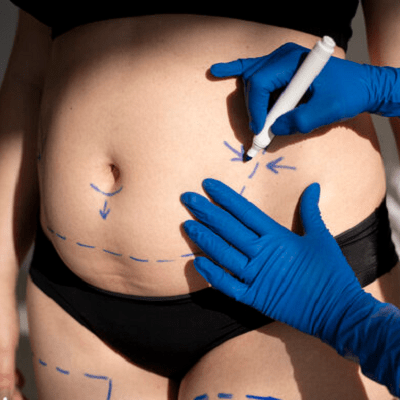
Liposuction Surgery removes stubborn fat deposits through small incisions using suction technology.
Even though the cuts are tiny, the treatment area still experiences internal trauma. Swelling, bruising, fluid retention, and soreness are completely normal parts of healing.
Recovery also depends on:
- The size of the treated area
- Amount of fat removed
- Your overall health
- Surgical technique used
- Whether multiple areas were treated
Someone having minor chin liposuction recovers differently from a person undergoing full abdominal and thigh contouring.
The First 24–72 Hours After Liposuction:
This is usually the most uncomfortable stage.
Most patients experience:
- Swelling
- Bruising
- Drainage from incision sites
- Tightness
- Mild to moderate pain
You’ll likely wear a compression garment immediately after surgery to reduce swelling and help the skin adapt to its new contours.
Walking carefully is actually encouraged early on because it helps circulation and lowers the risk of blood clots.
One thing patients often don’t expect is fatigue. Even if the pain feels manageable, your body still needs rest.
Week 1: The Adjustment Phase
During the first week, soreness typically feels similar to intense muscle aches.
Most people:
- Take several days off work
- Avoid strenuous activity
- Continue wearing compression garments
- Notice significant swelling
Desk-job patients often return to work within a week, though they may still feel stiff and swollen.
For physically demanding jobs, recovery may take longer.
Clinics experienced with Liposuction Surgery in Islamabad often emphasize that swelling can temporarily make results look uneven early on. That’s normal and usually improves gradually.
Weeks 2–4: Visible Improvement Starts
This is when patients usually feel emotionally better because they start seeing shape changes.
Bruising fades significantly, and mobility improves.
You can often:
- Resume light exercise
- Walk comfortably
- Return to most normal routines
That said, swelling doesn’t disappear overnight.
This is probably the biggest misconception surrounding liposuction recovery. Many people expect a final sculpted result after two weeks, but the body is still healing internally.
At clinics like ARB Clinic, patients are often advised to stay patient during this phase because early swelling can hide the true outcome.
1–3 Months: Contours Become More Defined
By this stage:
- Most swelling has improved
- Clothes fit differently
- Skin starts adapting more naturally
- Results appear more refined
Patients usually feel more confident during this period because the treated area begins looking smoother and more proportional.
Still, small areas of numbness or firmness can remain temporarily.
That’s part of normal tissue recovery.
Full Recovery Can Take 6 Months:
This surprises many people.
While daily life returns much earlier, final liposuction results can continue improving for several months as residual swelling resolves.
Some areas heal faster than others:
- Chin and arms may settle quicker
- Abdomen and thighs often take longer
Skin elasticity also matters. Younger skin tends to retract more effectively after fat removal.
What Top-Ranking Articles Often Miss?
After reviewing leading content on this topic, I noticed many articles repeat generic timelines without discussing the emotional or physical realities of recovery.
They rarely mention:
- Post-surgical bloating
- Temporary asymmetry
- Emotional ups and downs
- Compression garment discomfort
- Delayed swelling fluctuations
Patients sometimes panic during recovery because nobody warned them that healing can look uneven before it improves.
Transparent expectations are honestly one of the most important parts of good cosmetic care.
Tips for Faster, Smoother Recovery:
Recovery isn’t completely within your control, but certain habits genuinely help.
Wear Compression Garments Properly:
Compression reduces swelling and supports tissue healing.
Skipping it too early can affect contour results.
Stay Hydrated:
Hydration helps circulation and reduces fluid retention.
Walk Regularly:
Light movement improves blood flow and lowers complication risks.
Avoid Smoking:
Smoking slows healing significantly and can affect skin quality.
Follow Post-Op Instructions Carefully:
This sounds obvious, but patients sometimes resume workouts too early because they “feel okay.”
Internal healing still takes time.
Is Liposuction Recovery Painful?
Most patients describe it as soreness and pressure rather than sharp pain.
The discomfort usually improves noticeably after the first week.
Modern liposuction techniques are generally less traumatic than older methods, which helps shorten recovery time.
Who Recovers Faster?
Patients with these factors often heal more smoothly:
- Healthy body weight
- Good skin elasticity
- Non-smokers
- Smaller treatment areas
- Consistent aftercare
Recovery tends to take longer after large-volume liposuction procedures.
FAQ’s:
How Long Should I Rest after Liposuction?
Most people rest for several days and return to light activities within 1–2 weeks.
When Will Swelling Gaway after Liposuction?
Major swelling improves within a month, but mild swelling can last for several months.
Can I Exercise after Liposuction?
Light walking is encouraged early. Intense exercise is usually delayed for 4–6 weeks, depending on your surgeon’s advice.
How Long Do Compression Garments Need to be Worn?
Many surgeons recommend wearing them for several weeks, though timelines vary by procedure.
When Will I See the Final Liposuction?
Most final results become visible between 3 and 6 months after surgery.
Final Thoughts!
If you’re asking How Long it Takes to Recover from Liposuction, the honest answer is that recovery happens in stages.
You may feel functional within days, better within weeks, and fully healed months later.
The patients who handle recovery best are usually the ones who go into surgery with realistic expectations with ARB Clinic Islamabad. Liposuction can absolutely improve body contours, but healing isn’t instant, and that’s perfectly normal.
A thoughtful recovery plan, experienced surgical guidance, and patience often make a bigger difference than people realize.