Skin Whitening Treatment has become incredibly common over the last few years. Some people want to reduce pigmentation. Others are trying to treat acne marks, melasma, tanning, or uneven skin tone.
But there’s a question that doesn’t get discussed enough:
Can Skin Whitening Cause Allergies?
The answer is yes, it absolutely can.
Not every whitening treatment is dangerous, and many dermatologist-guided procedures are generally safe when done properly. The real issue usually comes from unsuitable products, harsh ingredients, poor-quality formulations, or treatments that don’t match a person’s skin type.
I’ve personally seen people develop redness, itching, burning, and long-term sensitivity simply because they used trending whitening creams without understanding what was inside them.
That’s where things often go wrong.
Why Skin Whitening Treatments Can Trigger Allergies?
Skin whitening products work by reducing melanin production or accelerating skin turnover.
To do that, many treatments use active ingredients that can irritate sensitive skin.
Common triggers include:
- Fragrances
- Hydroquinone
- Mercury-containing creams
- Steroids
- Kojic acid
- Strong exfoliating acids
- Preservatives
Some reactions are mild irritation. Others develop full allergic contact dermatitis.
And unfortunately, many over-the-counter whitening creams sold online don’t clearly disclose their ingredients.
Common Allergic Reactions From Whitening Treatments:
Not every bad reaction is technically an “allergy,” but patients often experience similar symptoms.
Mild Reactions
These may include:
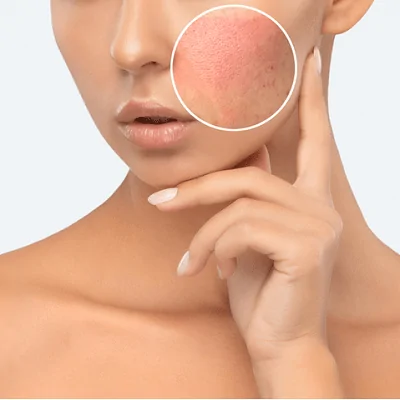
- Redness
- Dryness
- Itching
- Tightness
- Peeling
More Serious Reactions:
In some cases, people develop:
- Burning sensations
- Swelling
- Rash-like bumps
- Skin thinning
- Severe sensitivity
- Darker pigmentation afterward
Ironically, aggressive whitening attempts can sometimes make pigmentation worse due to inflammation.
That rebound pigmentation is more common in medium to darker skin tones.
The Problem With Unregulated Whitening Creams:
This is where many top-ranking articles stay too vague.
A huge issue in the whitening industry is the use of unsafe or counterfeit products.
Some creams secretly contain:
- Potent steroids
- Mercury
- Unapproved bleaching agents
These may create fast brightening initially, but long-term use can damage the skin barrier badly.
I’ve seen people become dependent on steroid-based creams without realizing it. Once they stop using them, the skin reacts aggressively with redness, acne, or pigmentation flare-ups.
That cycle can be difficult to reverse.
Are Professional Whitening Treatments Safer?
Generally, yes, when performed by qualified professionals.
Clinics offering Skin Whitening Treatment in Islamabad often use medically supervised approaches instead of harsh bleaching methods.
Professional treatments may include:
- Chemical peels
- Laser treatments
- Glutathione-based protocols
- Medical-grade skincare
- Pigmentation-focused therapies
The key difference is customization.
A dermatologist usually evaluates:
- Skin sensitivity
- Existing pigmentation
- Medical history
- Allergy risks
- Skin barrier condition
That dramatically lowers the chance of serious reactions.
Who Is More Likely To Develop Allergic Reactions?
Some people naturally have more reactive skin.
You may be at higher risk if you:
- Have eczema or sensitive skin
- React easily to cosmetics
- Have rosacea
- Use multiple active ingredients already
- Frequently exfoliate
- Have a damaged skin barrier
People often underestimate how weakened their skin already is before starting whitening treatments.
Patch Testing Matters More Than People Think:
One thing I rarely see competitor articles explain properly is patch testing.
Even good-quality products can trigger allergies in certain individuals.
A proper patch test involves:
- Applying a small amount behind the ear or jawline
- Waiting 24–48 hours
- Watching for redness, itching, or swelling
Skipping this step causes many avoidable reactions.
At ARB Clinic, practitioners often emphasize gradual treatment plans rather than introducing strong whitening products all at once. That slower approach tends to protect the skin barrier better.
Can Laser Whitening Treatments Cause Allergies?
Laser treatments themselves usually don’t cause classic allergies because they don’t involve allergenic ingredients in the same way creams do.
However, they can trigger:
- Irritation
- Inflammation
- Temporary sensitivity
Sometimes, the aftercare products, not the laser itself, cause the allergic reaction.
That’s why post-treatment skincare matters so much.
Signs You Should Stop a Whitening Treatment Immediately:
Stop using the product or seek professional advice if you notice:
- Severe burning
- Swelling
- Blistering
- Intense itching
- Rash spread
- Painful peeling
- Sudden darkening of the skin
Trying to “push through” a reaction usually worsens skin damage.
Safer Ways To Brighten Skin:
Healthy skin brightening doesn’t need to be aggressive.
Safer long-term approaches often include:
- Daily sunscreen
- Niacinamide
- Azelaic acid
- Vitamin C
- Gentle exfoliation
- Hydration support
A lot of patients chasing “whitening” actually need pigmentation correction and skin repair instead.
That distinction matters.
What Competitor Articles Often Miss?
After reviewing the top pages on this topic, I noticed several gaps.
Many articles:
- Ignore counterfeit whitening products
- Don’t explain steroid damage
- Confuse irritation with allergy
- Oversimplify laser safety
- Skip long-term barrier repair
What’s missing most is honesty.
Not every whitening treatment is harmful, but unsafe shortcuts can absolutely damage the skin, sometimes permanently.
FAQ’s:
Can Skin Whitening Creams Cause Allergic Reactions?
Yes. Some ingredients can trigger redness, itching, swelling, or dermatitis, especially in sensitive skin.
Which Whitening Ingredients are most Risky?
Hydroquinone misuse, steroids, mercury-containing products, and harsh acids are common concerns.
Are Professional Skin Whitening Treatments Safer?
Usually, yes, especially when supervised by qualified dermatologists who customize treatment properly.
Can Whitening Treatments Make Skin Darker?
Yes. Irritation and inflammation can lead to post-inflammatory hyperpigmentation, especially in darker skin tones.
How Can I Avoid Allergic Reactions from Whitening Products?
Patch testing, avoiding counterfeit products, using sunscreen, and consulting professionals can reduce risks significantly.
Final Thoughts!
So, Can Skin Whitening Cause Allergies?
Definitely, especially when treatments are used aggressively, improperly, or without understanding your skin type.
The good news is that safer, medically guided options exist. Healthy skin brightening should improve skin quality, not damage the skin barrier in the process.
The best results usually come from patience, realistic expectations, and treatments focused on skin health rather than extreme whitening promises. In many cases, clinics like ARB Clinic follow this approach by prioritizing skin safety and barrier health over harsh or overly aggressive whitening methods.