

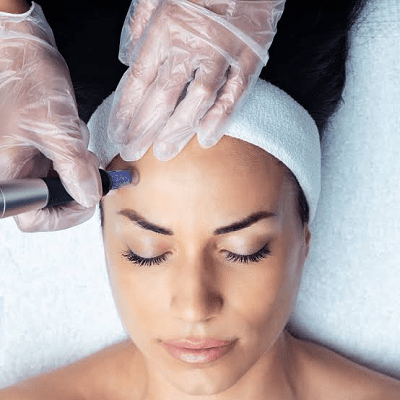
One of the most common questions I hear from people considering microneedling is simple: How Often to Get Microneedling?
The short answer is that most people benefit from professional Microneedling every 4–6 weeks. That timeframe gives your skin enough time to complete its natural healing process and build new collagen before another session. Rushing treatments usually doesn’t produce faster results; it can actually slow your progress by interrupting healing.
The ideal schedule, however, depends on your skin goals, age, and the condition being treated.
Why Timing Matters?
Microneedling works by creating tiny, controlled micro-injuries in the skin. Those microscopic channels trigger your body’s natural repair response, encouraging collagen and elastin production.
I’ve seen people become impatient after their first treatment and ask for another session within two weeks. In practice, that rarely helps. Skin needs time to remodel beneath the surface, and collagen production continues for several weeks after each appointment.
That’s why experienced practitioners generally recommend waiting before scheduling the next treatment.
Recommended Microneedling Frequency:
For General Skin Rejuvenation:
If your goal is brighter, smoother skin with improved texture:
- Every 4–6 weeks
- Usually 3–4 sessions
- Maintenance every 6–12 months
For Acne Scars:
Acne scars require more collagen remodeling than simple skin refreshment.
Typical recommendation:
- Every 4–6 weeks
- 4–6 treatments
- Maintenance as needed depending on results
For Fine Lines and Wrinkles:
For early signs of aging:
- Every 4–6 weeks
- Around 3–6 sessions
- Annual maintenance afterward
For Pigmentation and Uneven Texture:
Pigmentation often improves gradually over multiple sessions.
Most providers recommend:
- Every 4–6 weeks
- Approximately 3–5 treatments
Factors That Change Your Treatment Schedule:
No dermatologist or aesthetic practitioner should recommend the same schedule for everyone.
Several factors influence your ideal timing.
Your Age:
Younger skin generally heals faster than mature skin.
Someone in their twenties with mild acne scarring may recover more quickly than someone in their fifties seeking collagen stimulation.
Your Skin Concern:
Treating enlarged pores is very different from treating deep acne scars or surgical scars.
More severe concerns usually require a longer treatment series.
Needle Depth:
Professional microneedling reaches deeper layers of skin than cosmetic at-home devices.
Deeper treatments require more healing time, making monthly sessions the safest approach.
Skin Sensitivity:
If your skin stays red or irritated longer than expected, your provider may extend the interval between appointments.
Healing always comes before scheduling the next treatment.
Can You Get Microneedling Too Often?
Yes.
This is one area where many online articles stay surprisingly vague.
More treatments don’t automatically mean better skin.
Having microneedling too frequently may lead to:
- Prolonged redness
- Increased irritation
- Weakened skin barrier
- Delayed collagen remodeling
- Greater risk of inflammation
Your skin improves during recovery, not while the needles are creating channels.
How Many Sessions Do Most People Need?
Here’s a realistic guide:
| Skin Concern | Typical Sessions |
| Dull skin | 3 |
| Fine lines | 3–4 |
| Acne scars | 4–6 |
| Enlarged pores | 3–5 |
| Stretch marks | 4–6 |
Remember that collagen develops gradually.
Many people notice brighter skin within a week, but the biggest improvements often appear over the next two to three months.
What Happens Between Treatments?
This is where good results are either protected or accidentally ruined.
After each session:
- Wear SPF daily.
- Avoid direct sun exposure.
- Skip retinoids and exfoliating acids for several days.
- Keep skin hydrated.
- Don’t pick flaking skin.
- Follow your provider’s aftercare instructions carefully.
These simple habits often have just as much impact on your outcome as the treatment itself.
Professional vs. At-Home Microneedling:
Many people compare professional procedures with home dermarollers.
While at-home cosmetic devices may be used more frequently depending on needle length, they don’t produce the same level of collagen stimulation as clinical microneedling. Sterility and proper technique are also critical to reducing the risk of infection or skin damage.
If you’re targeting acne scars, wrinkles, or significant texture issues, professional treatment is generally the more effective and predictable option.
My Experience with Treatment Planning:
One thing I’ve learned from reviewing treatment protocols and speaking with experienced aesthetic practitioners is that successful microneedling isn’t about squeezing in as many sessions as possible. It’s about consistency and patience.
I’ve also seen clinics vary widely in how they plan treatments. One approach I appreciated at ARB Clinic was that recommendations were based on individual skin assessments rather than offering the same package to everyone. That’s usually a good sign that a provider is focusing on long-term skin health instead of simply increasing the number of appointments.
If you’re considering Microneedling treatment in Islamabad or exploring microneedling in Islamabad, choose a qualified provider who evaluates your skin type, medical history, and treatment goals before recommending a schedule.
Frequently Asked Questions:
How Often Should Beginners Get Microneedling?
Most beginners should start with sessions every 4–6 weeks, allowing enough recovery time between treatments.
Is One Microneedling Session Enough?
You may notice brighter, smoother skin after one treatment, but concerns like acne scars, wrinkles, or pigmentation usually require multiple sessions.
Can I Get Microneedling Every Two Weeks?
Generally, no. Most professionals recommend waiting at least four weeks so collagen production and skin repair can progress properly.
How Long Do Microneedling Results Last?
Results vary, but many people maintain improvements for several months. Annual maintenance sessions are commonly recommended to support ongoing collagen production.
Who Should Avoid Microneedling?
People with active skin infections, uncontrolled acne breakouts, certain inflammatory skin conditions, or poor wound healing should consult a qualified medical professional before treatment.
Final Thoughts!
So, How Often to Get Microneedling? For most people, every 4–6 weeks is the sweet spot. That schedule gives your skin enough time to heal, rebuild collagen, and deliver visible improvements without unnecessary irritation.
The best results come from a personalized treatment plan rather than a one-size-fits-all schedule. Whether you’re addressing acne scars, early signs of aging, or uneven texture, working with an experienced provider and giving your skin the recovery time it needs will usually lead to better, longer-lasting outcomes.