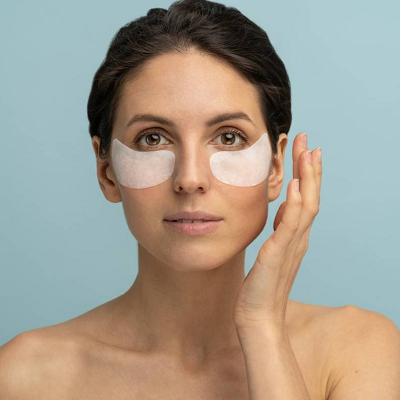
Do your under-eyes still look dark even after getting enough sleep? If creams and concealers haven’t made much difference, the problem may not be pigmentation at all.
For many people, dark circles are actually caused by shadows created by a deep tear trough. When volume is lost beneath the eyes, the transition between the lower eyelid and cheek becomes more noticeable, making the area appear darker, sunken, or constantly tired. Understanding How to Treat Dark Circles Caused by Under-Eye Hollows can help you identify whether the darkness is related to lost volume rather than pigmentation alone and determine the most suitable Dark Circle Treatment for achieving a smoother, more refreshed appearance.
The important point is that not every dark circle needs the same treatment. Identifying whether the darkness comes from hollowness, pigmentation, visible blood vessels, thin skin, puffiness, or a combination of factors is the first step toward a natural-looking result.
What Causes Dark Circles From Under-Eye Hollows?
The tear trough is the depression between the lower eyelid and upper cheek. It can become more pronounced because of genetics, aging-related volume changes, facial anatomy, thinning skin, and changes in the underlying fat and bone structure.
A hollow can create a shadow rather than true skin pigmentation. This is why applying brightening creams alone may not completely solve the concern.
A useful way to understand the difference is:
- Hollowing: Creates a shadow under the eye.
- Pigmentation: Makes the skin itself darker.
- Visible vessels: Can create a bluish or purple appearance.
- Puffiness or fat pads: Can cast shadows that resemble dark circles.
- Thin or crepey skin: Can make underlying structures and vessels more visible.
These causes can overlap, so an assessment should look at the entire under-eye area rather than treating “dark circles” as one condition.
How Do You Treat Dark Circles Caused by Under-Eye Hollows?
When hollowness is the primary cause, tear trough filler may be considered. Hyaluronic acid dermal filler can restore carefully selected areas of lost volume and soften the transition between the lower eyelid and cheek. This can reduce the shadow responsible for the dark appearance.
However, filler isn’t automatically the right answer for everyone.
A patient with prominent under-eye bags, significant excess skin, very thin skin, substantial pigmentation, or persistent swelling may require a different treatment strategy. In some cases, treating the cheek or mid-face rather than placing filler directly into the tear trough may produce a more balanced result.
Tear Trough Filler: How It Works
Tear trough filler generally involves the following process:
- Consultation and assessment – The clinician evaluates your facial anatomy, skin quality, degree of hollowness, pigmentation, puffiness, medical history, and expectations.
- Treatment planning – The appropriate product, amount, and injection location are selected according to your anatomy.
- Preparation – The area is cleansed and, when appropriate, a topical numbing agent may be used.
- Precise injection – A suitable hyaluronic acid filler is placed carefully to improve the contour.
- Assessment – The clinician checks symmetry and avoids unnecessary overcorrection.
- Aftercare and follow-up – You’re given instructions for managing temporary swelling or bruising and advised when to return for review.
The goal shouldn’t be to completely fill every visible depression. Under-eye treatment generally benefits from a conservative approach because excessive filler can create puffiness or an unnatural appearance.
Is Under-Eye Filler Safe?
Under-eye filler can be effective when the patient is appropriately selected and the procedure is performed by a suitably trained medical professional. But the tear trough is a technically demanding area with important blood vessels and delicate anatomy.
Possible side effects include:
- Temporary swelling
- Bruising or tenderness
- Lumps or irregularities
- Persistent puffiness
- Bluish discoloration known as the Tyndall effect
- Filler migration
- Asymmetry
Rare but serious vascular complications, including skin injury and vision loss, have also been reported with facial fillers. This makes injector experience and appropriate emergency management particularly important.
Never choose an under-eye filler provider based solely on price. Ask who will perform the procedure, what type of filler is being used, whether the practitioner has specific experience with the tear trough area, and how complications would be managed if they occurred.
Who Is a Good Candidate?
You may be a suitable candidate if:
- Your dark circles are primarily caused by structural shadowing.
- You have noticeable but appropriate under-eye hollowness.
- Your skin quality is suitable for filler.
- You have realistic expectations.
- You’re looking for a non-surgical approach to improve the contour.
You may not be an ideal candidate for direct tear trough filler if you have prominent fat bags, significant excess skin, severe under-eye swelling, very thin skin, certain previous eyelid procedures, or substantial pigmentation that isn’t caused by volume loss.
That’s why an in-person assessment matters more than simply booking a “dark circle treatment.”
What Results Can You Expect?
When hollowness is the main problem, reducing the depression can make the under-eye area appear smoother, brighter, and more rested.
Results can be visible after treatment, although swelling may temporarily make the area look different during the early recovery period. The final appearance should be judged after the treated area has settled.
How long results last varies according to the filler used, metabolism, anatomy, and other individual factors. Published clinical information commonly places the duration of many facial fillers in the range of several months to around a year or longer, depending on the product and treatment area.
Under-Eye Hollow Treatment: Quick Comparison
| Concern | Treatment approach may include | Main limitation |
| Hollow causing shadow | Tear trough or mid-face filler | Not suitable for every anatomy |
| Pigmentation | Targeted pigmentation skincare/procedures | Won’t correct structural hollowing |
| Thin, crepey skin | Skin-quality treatments and skincare | Doesn’t replace lost volume |
| Prominent eye bags | Specialist assessment, sometimes surgery | Filler may worsen puffiness |
| Combination concerns | Individualized combination plan | Requires careful diagnosis |
Common Mistakes People Make
One of the biggest mistakes is assuming that every dark circle is caused by pigmentation.
Another is using increasingly strong eye creams when the underlying issue is structural. Skincare can support hydration and skin quality, but it cannot physically replace significant lost volume.
Overfilling is another concern. More filler doesn’t necessarily mean better correction. Excess product can produce swelling, contour irregularities, or a bluish appearance beneath thin skin.
Finally, don’t judge a provider only by before-and-after photographs. Ask about qualifications, experience with the under-eye anatomy, product selection, consultation process, and safety protocols.
How Does ARB Clinic Approach Under-Eye Hollows?
At ARB Clinic, under-eye filler is offered as an individualized treatment rather than a one-size-fits-all solution. The clinic states that Dr. Afsheen Bilal assesses the under-eye area, facial anatomy, and aesthetic goals before developing a treatment plan. Its published treatment information also describes hyaluronic acid-based fillers for restoring volume in the tear trough.
This type of personalized assessment is particularly important for under-eye concerns because the same “dark circles” complaint can have very different underlying causes.
How Much Does Under-Eye Filler Cost?
There isn’t one universal price for under-eye filler. The total cost can vary depending on:
- Filler brand and type
- Amount required
- Whether one or multiple areas need treatment
- Practitioner expertise
- Complexity of the correction
- Whether follow-up or additional treatment is required
For this reason, it’s better to receive a personalized quotation after an assessment rather than relying on a generic online price.
Frequently Asked Questions
Can Under Eye Hollows Cause Dark Circles?
Yes. A deep tear trough can create shadows beneath the eyes, making the area look darker even when the skin isn’t significantly pigmented.
Can Eye Creams Fix Hollow Under Eyes?
Eye creams may improve hydration, texture, and the appearance of fine lines, but they cannot replace structural volume lost beneath the eye.
Is Tear Trough Filler Painful?
Most patients experience some discomfort during injections. A topical numbing product may be used when appropriate, and temporary tenderness or swelling can occur afterward.
How Long Does Under-Eye Filler Last?
Longevity varies by product and individual factors. Many facial fillers last several months to around a year or longer, but under-eye results should be assessed individually rather than guaranteed for a fixed period.
Can Tear Trough Filler Remove all Dark Circles?
Not necessarily. If pigmentation, visible blood vessels, thin skin, or puffiness also contributes to the darkness, filler alone may provide only partial improvement.
Is Under Eye Filler Worth It?
It can be worthwhile for carefully selected patients whose main concern is structural hollowness and shadowing. It may be less appropriate when the primary issue is pigmentation or prominent under-eye bags.
What Should I Expect Before and After Treatment?
Before treatment, expect an anatomical assessment and discussion of your goals, medical history, risks, and realistic outcomes. After treatment, mild swelling, bruising, or tenderness may occur. Your clinician should provide specific aftercare instructions and advise when to return for review.
Final Thoughts
If your under-eye darkness is caused by hollowness rather than pigmentation, treating the underlying contour may make a greater difference than simply applying another brightening product.
Tear trough filler can be a useful non-surgical option for appropriately selected patients, but it requires precision, restraint, and a strong understanding of facial anatomy. The safest approach is to first identify why your under-eyes look dark, then choose treatment based on that cause.
For people considering treatment in Islamabad, a consultation at ARB Clinic with Dr. Afsheen Bilal can help determine whether under-eye filler is appropriate or whether another approach would better address the specific cause of the dark circles.