

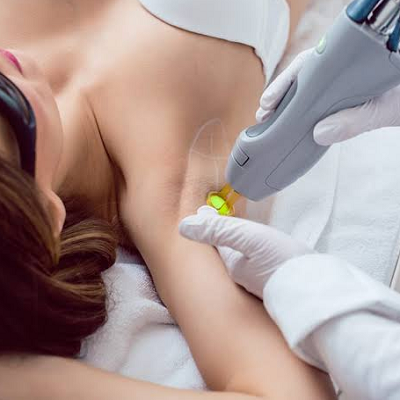
If you regularly deal with painful bumps, redness, or trapped hairs after shaving or waxing, you may wonder: Can Laser Hair Removal Help with Ingrown Hairs? Yes, laser hair removal can help reduce recurring ingrown hairs by gradually reducing hair growth at the follicle. With less hair growing back, there may be fewer chances for hairs to curl into the skin and cause irritation.
However, Laser Hair Removal in Islamabad isn’t an instant treatment for an existing ingrown hair. It is mainly a long-term hair reduction method that can help address one of the common causes behind recurring ingrown hairs.
What Causes Ingrown Hairs?
An ingrown hair occurs when a hair grows back into the skin instead of growing outward. This commonly happens after shaving, waxing, or tweezing. People with coarse or curly hair may be more likely to experience this problem.
Ingrown hairs can appear as small red or itchy bumps and may sometimes become painful or filled with pus. Repeated irritation can also leave dark spots or cause inflammation, especially when the bumps are picked or squeezed.
Common areas affected by ingrown hairs include the face, neck, underarms, legs, bikini area, chest, and back.
How Does Laser Hair Removal Help with Ingrown Hairs?
Laser hair removal targets the pigment in the hair follicle using controlled light energy. The energy is converted into heat, which damages the follicle and gradually reduces its ability to produce hair.
As hair growth becomes lighter and less frequent, people may need to shave less often. This can reduce the repeated irritation associated with shaving and decrease the chances of developing new ingrown hairs.
This is why laser hair removal can be particularly useful for people who experience recurring razor bumps or ingrown hairs after traditional hair-removal methods.
Can Laser Remove an Existing Ingrown Hair?
Laser hair removal should not be considered a way to immediately remove an existing ingrown hair. If a hair is already trapped beneath the skin, it may need time to resolve or may require appropriate medical treatment if it becomes severely inflamed or infected.
Avoid squeezing, digging, or repeatedly picking at an ingrown hair. These habits can increase inflammation and may lead to scarring or pigmentation.
Once active irritation has settled, laser hair removal can help reduce future hair growth and potentially lower the risk of recurring ingrown hairs.
Benefits of Laser Hair Removal for Ingrown Hairs
Laser hair removal may provide several benefits for people who frequently develop ingrown hairs, including:
- Reduced unwanted hair growth
- Less frequent shaving
- Fewer shaving-related bumps
- Reduced irritation from repeated hair removal
- Smoother-looking skin over time
- Lower likelihood of recurring ingrown hairs
The results develop gradually because hair follicles are not all active during the same growth phase. Multiple sessions are generally needed to achieve meaningful hair reduction.
Who Is a Good Candidate?
Laser hair removal may be suitable for people who regularly experience ingrown hairs because of shaving or waxing. It can be particularly helpful for individuals with coarse or dark hair that repeatedly grows back into the skin.
Before treatment, a professional should assess your skin tone, hair color, hair thickness, treatment area, and history of pigmentation or skin sensitivity.
People with very light, grey, or white hair may see less benefit because laser treatment relies on pigment in the hair to absorb the energy.
Is Laser Hair Removal Safe?
When performed correctly by a qualified professional, laser hair removal is generally considered a safe treatment. Temporary redness, swelling around the follicles, or mild sensitivity can occur after treatment.
Skin tone is an important consideration when selecting laser settings. People with darker or pigment-prone skin may require careful treatment planning to reduce the risk of burns or unwanted pigmentation changes.
For those considering Laser Hair Removal in Islamabad, choosing an experienced professional and having a proper skin and hair assessment before treatment can help improve safety and treatment planning.
At ARB Clinic, Dr. Afsheen Bilal can assess individual skin and hair characteristics before recommending an appropriate treatment approach.
What to Expect During Treatment
Before a session, the treatment area is usually prepared according to the provider’s instructions. Shaving may be recommended, while waxing and plucking are generally avoided because they remove the hair from the follicle.
During the procedure, protective eyewear is used and the laser device delivers controlled pulses to the treatment area. You may feel brief warmth, snapping, or stinging during the procedure.
After treatment, mild redness or swelling around the follicles can occur and usually settles with appropriate aftercare.
How Many Sessions Are Needed?
Laser hair removal requires a series of sessions because hair grows in different cycles. The exact number depends on factors such as hair thickness, treatment area, skin tone, hormonal factors, and individual response.
Some people may also require occasional maintenance treatments after completing their initial course.
The goal is gradual and long-term hair reduction rather than promising that every hair will permanently disappear.
Aftercare Tips
Proper aftercare can help reduce irritation and support comfortable healing. After a session:
- Avoid unnecessary sun exposure.
- Use sunscreen on exposed treated areas.
- Follow the aftercare instructions provided by your practitioner.
- Avoid aggressive scrubbing immediately after treatment.
- Don’t pick or squeeze bumps.
- Avoid waxing or plucking between sessions unless advised otherwise.
If you experience severe pain, blistering, significant swelling, or unusual skin changes, contact your treatment provider.
Common Mistakes to Avoid
One common mistake is assuming that stronger laser settings will automatically provide faster results. Treatment settings should be selected according to your skin type, hair characteristics, and treatment area.
Other mistakes include picking ingrown hairs, waxing between sessions, treating recently tanned skin without professional advice, and expecting results after only one treatment.
Choosing a provider based only on price can also be problematic. Proper assessment, suitable technology, experienced treatment, and safe settings are important factors to consider.
How Much Does Laser Hair Removal Cost?
The cost of laser hair removal varies from person to person. Factors such as the treatment area, hair density, number of sessions, technology used, and individual treatment plan can affect the overall cost.
A consultation is the best way to understand how many sessions you’ll likely need and what your treatment plan will be.
Frequently Asked Questions
Can Laser Hair Removal Permanently Prevent Ingrown Hairs?
Laser hair removal can significantly reduce recurring ingrown hairs by reducing hair growth, but it cannot guarantee that ingrown hairs will never occur again.
Is Laser Hair Removal Better than Shaving for Ingrown Hairs?
For people who repeatedly develop ingrown hairs after shaving, laser hair removal may help because it reduces hair growth and the need for frequent shaving.
Can Men Use Laser Hair Removal for Beard Ingrown Hairs?
Yes. Laser hair removal can be used for areas such as the beard and neck and may help people who experience recurring shaving bumps and ingrown hairs.
Can I Shave Between Laser Sessions?
Yes, shaving is generally compatible with laser hair removal. Waxing and plucking are usually avoided because they remove the hair from the follicle.
Does Laser Hair Removal Hurt?
Most people experience some warmth, snapping, or mild stinging during treatment. Sensation varies depending on the treatment area, hair thickness, and individual sensitivity.
Is laser hair removal worth considering for recurring ingrown hairs?
For people who repeatedly experience ingrown hairs because of shaving or waxing, laser hair removal can be a useful long-term option. A professional assessment can help determine whether it is appropriate for your skin and hair type.
Final Thoughts
Laser hair removal can help people who struggle with recurring ingrown hairs by reducing unwanted hair growth and decreasing the need for frequent shaving or waxing. It won’t immediately remove an existing ingrown hair, but regular treatment may help reduce the cycle that causes new ones to develop.
If you’re considering Laser Hair Removal in Islamabad, speak with a qualified professional to understand whether the treatment is suitable for your skin type, hair characteristics, and individual concerns. At ARB Clinic, an appropriate treatment plan can be discussed based on your specific needs.


