

Hair thinning rarely happens overnight. In my experience working with patients exploring non-surgical hair restoration options, most people notice subtle signs first a widening part, more hair in the shower drain, or a thinning crown that suddenly becomes obvious under bright light.
That’s why treatments like Exosome Therapy have gained so much attention in recent years. Many people searching for alternatives to hair transplants or medications are asking the same question: Can Exosome Therapy Help with Thinning Hair or Bald Spots?
The short answer is: it may help in certain cases, particularly when hair follicles are still alive but weakened. However, the results depend on several factors, including the cause and stage of hair loss.
What Is Exosomes Therapy?
Exosomes are microscopic extracellular vesicles naturally released by cells. They contain growth factors, proteins, signaling molecules, and genetic material that help cells communicate and repair tissue.
In hair restoration, exosomes are introduced into the scalp to encourage healthier follicle activity and support the natural hair growth cycle.
Unlike traditional treatments that focus on hormones or blood supply alone, exosomes work by delivering regenerative signals directly to targeted areas.
How Does Exosomes Therapy Work for Hair Loss?
Hair follicles go through continuous growth and resting cycles. When follicles become damaged, inflamed, or weakened, hair may become thinner over time.
Exosomes therapy aims to:
- Support follicle regeneration
- Reduce scalp inflammation
- Stimulate dormant follicles
- Improve scalp health
- Encourage thicker and stronger hair growth
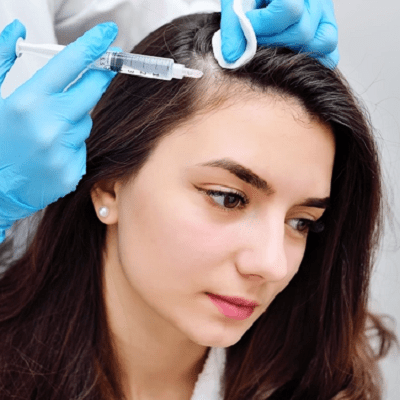
The treatment typically involves injecting or microneedling exosome solutions into affected scalp areas.
Many specialists combine exosomes with other regenerative approaches to maximize outcomes.
Who May Benefit from Exosome Therapy?
One thing many online articles fail to explain clearly is that exosomes aren’t a universal solution for every type of hair loss.
Candidates who may benefit include:
Early-Stage Hair Thinning:
People experiencing gradual thinning often see better outcomes because follicles are still active.
Male and Female Pattern Hair Loss:
Androgenetic alopecia is among the most common conditions treated with regenerative therapies.
Postpartum Hair Loss:
Some women experiencing prolonged shedding after pregnancy may benefit from supportive treatments.
Hair Transplant Patients:
Exosomes are sometimes used alongside hair transplant procedures to support healing and graft survival.
Can Exosomes Help Bald Spots?
This is where expectations need to remain realistic.
If a bald spot still contains dormant or miniaturized follicles, exosomes may help stimulate activity.
However, if follicles have been completely lost and scar tissue has formed, exosomes are unlikely to regenerate entirely absent follicles.
That’s why professional scalp assessment is essential before starting treatment.
What Results Can You Expect?
One of the biggest weaknesses I see in competing articles is the promise of dramatic regrowth without discussing timelines.
Hair growth takes time.
Most patients who respond to treatment typically notice:
First 1–2 Months:
- Reduced shedding
- Improved scalp condition
After 3–6 Months:
- Increased hair density
- Thicker hair strands
- Improved coverage in thinning areas
Long-Term:
Results vary depending on age, genetics, overall health, and consistency of treatment plans.
No reputable specialist should guarantee full restoration of severely bald areas.
Exosomes Therapy vs PRP for Hair Loss:
Many people researching hair restoration compare exosomes with PRP (Platelet-Rich Plasma).
| Feature | Exosomes Therapy | PRP |
| Source | Cell-derived vesicles | Patient’s blood |
| Growth Factors | High concentration | Moderate concentration |
| Preparation Time | Ready-to-use | Requires a blood draw |
| Treatment Goal | Regenerative signaling | Stimulate healing |
Both treatments have potential benefits, and some clinics use them together depending on individual needs.
Exosomes Therapy in Islamabad: Growing Interest:
Interest in Exosomes Therapy in Islamabad has increased significantly as patients seek non-surgical options for hair restoration.
During consultations, I’ve observed that many individuals are attracted to the treatment because it requires minimal downtime and can be performed as an outpatient procedure.
Clinics offering Exosomes for Hair in Islamabad generally begin with scalp evaluation, medical history review, and discussion of realistic expectations before recommending treatment.
A Practical Observation from Clinical Settings:
One thing I’ve noticed when discussing regenerative hair treatments with specialists, including professionals at ARB Clinic, is that the best outcomes usually occur when treatment starts early.
Patients often wait until hair loss becomes severe before seeking help. By that stage, many follicles may already be inactive beyond recovery.
The people who tend to see the most noticeable improvements are those who address thinning hair sooner rather than later and combine treatment with proper scalp care and medical guidance.
Are There Any Risks?
Exosomes therapy is generally considered minimally invasive, but like any procedure, potential side effects can occur.
These may include:
- Temporary redness
- Mild swelling
- Tenderness at injection sites
- Temporary scalp sensitivity
Patients should always seek treatment from qualified medical professionals who use reputable products and follow established safety protocols.
Is Exosomes Therapy Worth Considering?
For individuals experiencing thinning hair, reduced density, or early-stage bald spots, exosome therapy may be a promising option.
It isn’t a miracle cure, and it won’t reverse every type of hair loss. What it can do is support healthier follicle function and potentially improve hair growth when viable follicles remain.
The key is proper diagnosis and realistic expectations.
Frequently Asked Questions!
How Many Exosomes Therapy Sessions are Needed for Hair Loss?
Treatment plans vary, but many patients undergo one to three sessions initially, followed by maintenance treatments if recommended.
Can Exosomes Regrow Hair on Completely Bald Areas?
Not usually. Exosomes may help dormant follicles, but they cannot reliably create new follicles where none remain.
Is Exosomes Therapy Painful?
Most patients experience only mild discomfort. Numbing agents are often used to improve comfort during treatment.
How Soon Will I See Results?
Reduced shedding may appear within a few weeks, while visible improvements in thickness and density often take three to six months.
Is Exosomes Therapy in Islamabad Safe?
When performed by qualified medical professionals using approved protocols and high-quality products, the procedure is generally considered safe.
Final Thoughts!
Hair loss can affect confidence in ways that people often underestimate. After reviewing regenerative hair restoration options and seeing how patients respond in real-world settings, I believe exosome therapy is one of the more interesting developments in modern hair care.
For people dealing with thinning hair or early bald spots, it offers a science-backed approach that focuses on supporting follicle health rather than simply masking the problem. The most important step is getting an accurate diagnosis and discussing realistic outcomes with an experienced practitioner. Clinics such as ARB Clinic and other reputable providers can help determine whether exosome therapy is an appropriate option based on your specific hair loss pattern and goals.