Regenerative aesthetics has changed dramatically over the last few years, and one treatment that’s generating genuine interest is Exosome Therapy for Skin & Hair Regeneration. Unlike treatments that mask symptoms, Exosome Facial is designed to support your body’s natural repair mechanisms, helping improve skin quality and encourage healthier hair growth.
Having followed regenerative dermatology closely and observed how these treatments are incorporated into clinical practice, I’ve noticed one consistent pattern: the best outcomes come from realistic expectations, proper patient selection, and experienced practitioners not marketing claims.
Clinics such as ARB Clinic have helped bring awareness to regenerative treatments in Pakistan, but it’s equally important for patients to understand both the potential benefits and the current limitations of the science.
What Is Exosome Therapy?
Exosomes are tiny extracellular vesicles naturally released by cells. Think of them as biological messengers that carry proteins, growth factors, lipids, and genetic material that help cells communicate and coordinate tissue repair.
Rather than adding new cells, exosome therapy delivers signaling molecules that may encourage the skin and hair follicles to regenerate more efficiently.
Researchers are studying exosomes for their role in:
- Stimulating collagen production
- Supporting tissue repair
- Reducing inflammation
- Improving wound healing
- Promoting healthier hair follicles
While early clinical results are encouraging, experts also agree that treatment protocols and long-term evidence are still evolving.
Why Is Exosome Therapy Becoming Popular?
Many aesthetic treatments improve appearance temporarily. Exosomes aim to improve the biological environment underneath the skin.
People often consider Exosome Treatment for Skin if they have:
- Fine lines and wrinkles
- Uneven skin texture
- Acne scars
- Sun damage
- Dull complexion
- Mild skin laxity
For hair restoration, Exosome Treatment for Hair is commonly explored by patients experiencing:
- Early hair thinning
- Androgenetic alopecia
- Excessive hair shedding
- Reduced hair density
Current research suggests exosomes may improve collagen formation, skin elasticity, and hair density, although results vary between individuals and more high-quality clinical trials are needed.
How Does the Treatment Work?
A typical session usually follows these steps:
Consultation:
Your medical history, skin condition, or hair loss pattern is assessed to determine whether you’re a suitable candidate.
Skin Preparation:
The treatment area is cleansed, and a numbing cream may be applied.
Delivery of Exosomes:
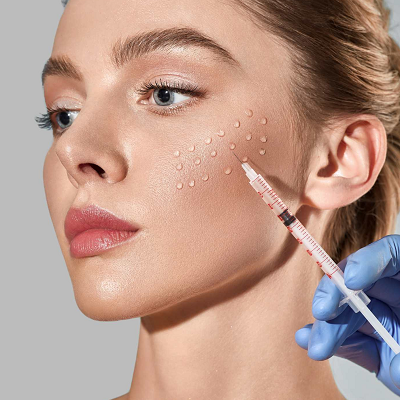
Depending on the treatment plan, exosomes may be delivered through:
- Microneedling
- Mesotherapy
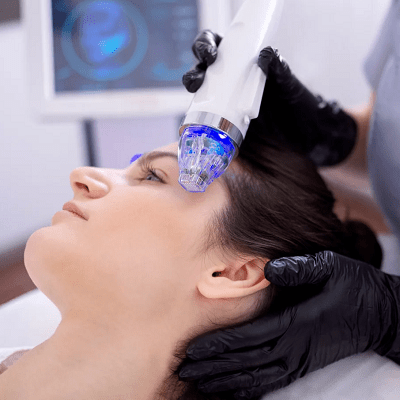
- Fractional laser-assisted delivery
- Targeted scalp injections
Many specialists combine exosomes with microneedling because controlled microchannels can improve absorption and support healing.
Benefits of Exosome Treatment for Skin:
Patients often report gradual improvements over several weeks.
Potential benefits include:
- Brighter skin tone
- Better hydration
- Softer texture
- Reduced appearance of fine lines
- Faster recovery after aesthetic procedures
- Improved skin elasticity
One observation I’ve seen repeatedly is that people expecting dramatic overnight changes tend to be disappointed. The improvements are usually progressive and natural-looking rather than dramatic.
Benefits of Exosome Treatment for Hair:
Hair restoration is another area where exosomes are attracting attention.
Potential improvements may include:
- Increased hair density
- Thicker hair shafts
- Reduced shedding
- Healthier scalp environment
- Support for existing follicles
It’s important to remember that exosomes don’t create brand-new hair follicles. They work by supporting follicles that are still viable. Advanced baldness generally requires different treatment options.
Exosome Therapy in Islamabad:
Interest in Exosome Therapy in Islamabad has grown as more people look for minimally invasive alternatives to surgery.
When choosing a provider, look beyond promotional advertisements. Ask about:
- The source and quality of exosome products
- Sterility standards
- Practitioner experience
- Expected treatment timeline
- Realistic before-and-after outcomes
During conversations with professionals at ARB Clinic, one point that stood out was their emphasis on individualized treatment plans instead of promising identical results for everyone. That’s the kind of approach patients should look for, regardless of the clinic they choose.
Are There Any Risks?
Most patients experience minimal downtime.
Temporary side effects may include:
- Mild redness
- Swelling
- Tenderness
- Minor bruising
Although early studies suggest a favorable short-term safety profile, exosome therapy remains an emerging field. Products, manufacturing standards, and regulatory oversight differ across countries, so choosing a qualified medical provider is essential.
How Does It Compare with PRP?
Many patients ask whether exosomes are better than Platelet-Rich Plasma (PRP).
Here’s a simple comparison:
| Feature | Exosome Therapy | PRP |
| Source | Cell-derived signaling vesicles | Patient’s own blood |
| Downtime | Minimal | Minimal |
| Growth Factors | High concentration | Patient-dependent |
| Research | Emerging | More established |
| Treatment Goal | Regeneration support | Tissue stimulation |
Rather than replacing PRP, many practitioners view exosomes as another regenerative option that may complement existing treatments depending on the patient’s condition.
Frequently Asked Questions:
Is Exosome Therapy Painful?
Most patients describe only mild discomfort. Numbing cream significantly improves comfort during treatment.
How Many Sessions are Needed?
Many treatment plans involve two to four sessions, although recommendations depend on your skin concerns or degree of hair loss.
When Will I See Results?
Skin improvements often become noticeable within several weeks, while hair regeneration generally takes a few months because hair grows in cycles.
Is Exosome Treatment in Islamabad Safe?
When performed by trained medical professionals using quality-controlled products and proper protocols, treatment is generally well tolerated. However, patients should understand that evidence is still developing and long-term data remain limited.
Can Exosomes Replace Hair Transplant Surgery?
No. Exosome therapy may help improve existing hair follicles but cannot replace a hair transplant in patients with advanced or permanent hair loss.
Final Thoughts!
Exosome Therapy for Skin & Hair Regeneration represents one of the most promising developments in regenerative aesthetics. The science behind cellular communication is fascinating, and early clinical studies suggest meaningful improvements in skin quality and hair density for appropriately selected patients.
At the same time, it’s worth avoiding exaggerated claims. Exosomes aren’t a miracle cure, and results depend on factors such as age, genetics, underlying conditions, treatment technique, and product quality. If you’re considering Exosome Therapy in Islamabad, choose a reputable clinic that values transparent consultations and evidence-based care. Clinics like ARB Clinic exemplify an approach that focuses on informed decision-making rather than unrealistic promises a mindset that ultimately serves patients best.