Why More People Are Reconsidering Their Tattoos?
Tattoos are deeply personal. But people change careers, evolve, relationships end, and sometimes what felt permanent starts feeling like a mistake. If you’ve been living with a tattoo you no longer connect with, you’re not alone.
The good news? Laser Tattoo Removal has come a long way. It’s no longer just about “fading” a tattoo until it’s barely visible. With modern laser technology and the right clinic, many people are seeing their skin return to something genuinely close to its natural state.
The Science Behind It — How Laser Removal Actually Works?
Here’s the thing most people don’t fully understand: tattoo ink doesn’t sit on the surface of your skin. It’s embedded deep in the dermis, the second layer, which is exactly why tattoos last so long.
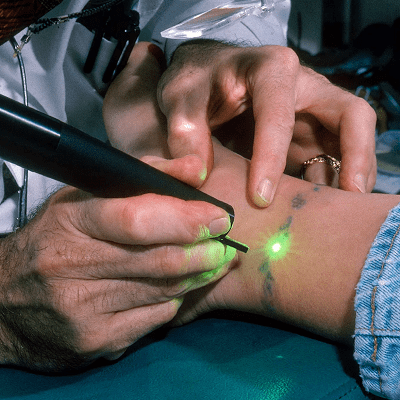
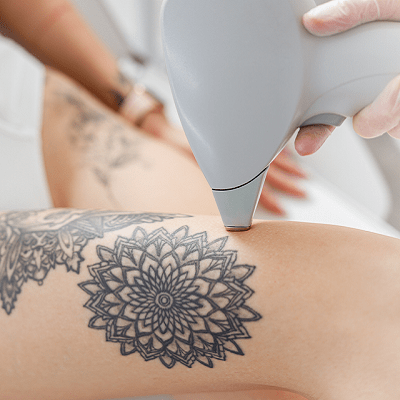
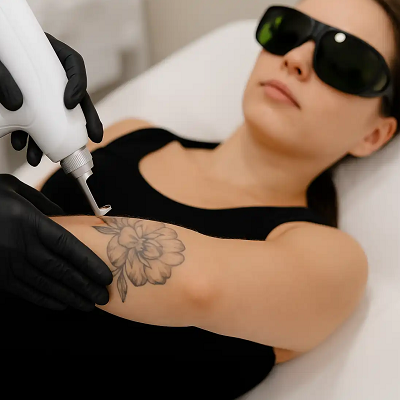
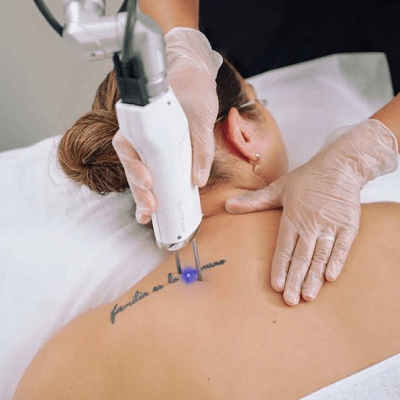
Laser tattoo removal works by using concentrated pulses of light energy to break down those ink particles. The laser targets specific pigment colors. Once the ink is fragmented into smaller particles, your immune system flushes them out naturally over several weeks.
The type of laser matters a lot here. Q-switched and Nd: YAG lasers are the gold standard right now. They deliver energy in extremely short, powerful bursts measured in nanoseconds or picoseconds that shatter ink without significantly damaging the surrounding skin tissue.
That’s key. The goal isn’t just to remove the tattoo. It’s to restore your skin.
Can Your Skin Really Return to Normal?
This is probably the question people ask most, and the honest answer is: it depends.
For many people, yes. The skin can return to a very natural appearance, especially if:
- The tattoo is older (older ink breaks down more easily)
- The colors are darker (black and dark blue respond best to the laser)
- The skin hasn’t been damaged by excessive sun exposure
- The removal is done gradually, giving skin time to heal between sessions
Lighter colors, white, yellow, and light green, are more stubborn. And very dense, professional tattoos take longer to clear than amateur or faded ones.
What you’re working toward isn’t perfection. It’s natural. And for most people who complete a full course of treatment, that goal is genuinely achievable.
What Does the Treatment Process Look Like?
The process isn’t a one-and-done situation. That’s worth setting expectations around upfront.
Most people need anywhere from 6 to 12 sessions, sometimes more. Sessions are spaced 6 to 8 weeks apart to give the skin recovery time and allow the body to flush out broken-down ink.
Each session is relatively quick, often 15 to 30 minutes, depending on the size of the tattoo. There’s some discomfort involved (most people describe it as similar to a rubber band snapping against skin), but most clinics apply numbing cream beforehand to make it manageable.
Between sessions, you’ll notice the tattoo fading progressively. It’s not dramatic at first but around sessions four or five, many people genuinely start to see their natural skin tone coming through.
What the Recovery Period Feels Like?
After each session, the treated area will be red, slightly swollen, and sensitive. Think of a mild sunburn. This typically settles within 24 to 72 hours.
A few things to keep in mind during recovery:
- Sun protection is non-negotiable. UV exposure can cause pigmentation issues in treated skin. SPF 30+ on the area is a must.
- Don’t pick or scratch. It’s tempting, but it can cause scarring.
- Keep the area moisturized. Simple, fragrance-free products work best.
- Stay hydrated. Your lymphatic system does the heavy lifting of clearing ink from your body, supporting it matters.
Real Talk: What ARB Clinic Gets Right?
I spoke with a few clients who had their removal done at ARB Clinic in Islamabad, and something that came up consistently was the consultation process. Before anything started, the team did a thorough skin assessment, factoring in the tattoo’s age, ink density, skin tone, and realistic expectations.
That matters more than people realize. Tattoo removal on darker skin tones requires specific laser settings to avoid hyperpigmentation. Clinics that take a one-size-fits-all approach can cause more harm than good.
ARB Clinic uses calibrated laser technology suited for South Asian skin types, which is a genuinely important context for anyone considering tattoo removal in Islamabad. The practitioners adjust energy levels per session based on how the skin is responding. It’s a more personalized approach, and the results reflect that.
If you’re exploring tattoo removal in Islamabad, it’s worth prioritizing clinics that do this kind of individualized assessment rather than rushing you into sessions.
Laser Tattoo Removal in Islamabad: What to Look For?
The industry in Pakistan has grown significantly. There are more options than ever, which is great, but it also means you need to be discerning.
When choosing a clinic for laser tattoo removal in Islamabad, ask:
- What type of laser do they use? (Q-switched Nd: YAG is currently most reliable)
- Do they have experience treating South Asian skin tones specifically?
- How do they manage pain and aftercare?
- Can they show you before/after results from previous clients?
- Are the practitioners trained medical professionals?
The cheapest option is rarely the best one when it comes to your skin. Scarring from poorly done laser removal is possible and significantly harder to fix than the original tattoo.
Frequently Asked Questions:
How Many Sessions Does it Take to Fully Remove a Tattoo?
It varies. On average, 6–12 sessions for most professional tattoos. Smaller or older tattoos may clear faster. Multicolored tattoos typically take longer.
Does Laser Tattoo Removal Hurt?
Yes, but it’s manageable. Most clinics use numbing cream beforehand. Many people describe the sensation as like being snapped with a rubber band repeatedly.
Will my Skin Look Completely Normal After?
For many people, yes, especially with complete sessions, proper aftercare, and a skilled technician. Some may notice slight texture differences, but these typically fade over time.
Is Laser Tattoo Removal Safe for Darker Skin Tones?
It can be, but it requires the right laser settings and an experienced practitioner. South Asian and darker skin tones need careful calibration to avoid hyperpigmentation.
How Much Does Laser Tattoo Removal Cost in Islamabad?
Costs vary by clinic, tattoo size, and number of sessions. It’s best to get a personalized quote after a consultation, as pricing is usually per session and depends on the tattoo’s complexity.
Can I Remove Just Part of a Tattoo?
Yes. Partial removal is completely possible and quite common, especially for people who want to modify an existing design rather than remove it entirely.
The Bigger Picture!
Choosing to remove a tattoo isn’t something people take lightly. It’s often tied to a desire to move forward to reclaim a part of yourself that feels more like you now.
Laser tattoo removal, done correctly, really can restore your skin. It’s not magic, and it’s not instant. But session by session, your body does the work, and most people who complete the process come out the other side looking at skin that feels familiar again.
If you’re in Pakistan, getting a thorough consultation at a reputable clinic like ARB Clinic is a smart first step. Ask questions, understand the process, and go in with realistic expectations. That combination of good technology, skilled practitioners, and informed patients is what actually gets results.
Your skin has a lot of resilience. You might be surprised at what it’s capable of reclaiming.