Have you ever looked in the mirror and felt that your skin appears dull, congested, dry, or tired despite following a regular skincare routine? If so, you may have come across HydraFacial Treatment as an option for refreshing and improving your skin.
HydraFacial for All Skin Types has become a popular choice for people who want smoother, cleaner, more hydrated-looking skin without significant downtime. One of its biggest advantages is that the treatment can be adjusted according to individual skin concerns.
However, suitable for “all skin types” doesn’t mean it’s appropriate for every person or every skin condition. Understanding how the treatment works, what it can realistically achieve, and when it should be avoided can help you make a better decision.
What Is a HydraFacial?
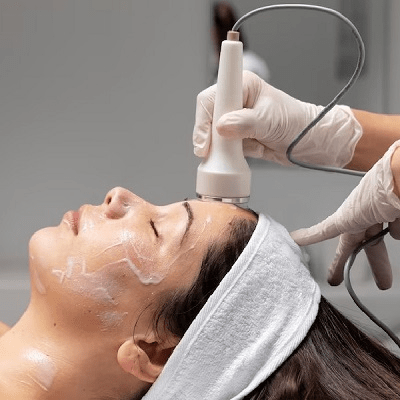
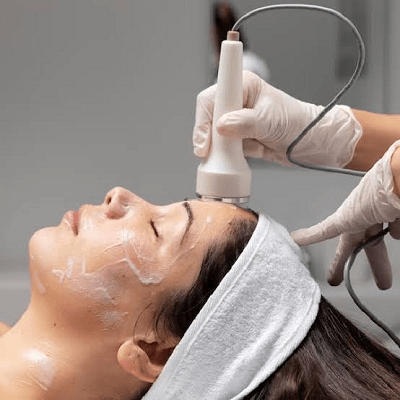
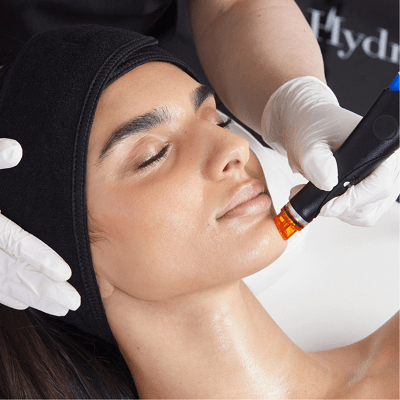
A HydraFacial is a non-invasive facial treatment that combines several skincare steps into one procedure. Depending on the treatment protocol, it may include cleansing, exfoliation, gentle resurfacing, pore extraction, and hydration.
Unlike a traditional facial, which may rely heavily on manual extraction and products applied by hand, HydraFacial uses specialized equipment to deliver a controlled treatment.
A typical session may include:
- Deep cleansing
- Gentle exfoliation
- Mild chemical exfoliation
- Pore cleansing and extraction
- Hydrating serums
- Antioxidant or nourishing ingredients
- Optional boosters based on individual skin concerns
The treatment is generally comfortable and requires little recovery time, making it appealing to people with busy schedules.
How Does HydraFacial Work?
The treatment usually follows several stages.
1. Cleansing and Exfoliation
The skin is first cleansed to remove surface oil, makeup, dirt, and dead skin cells. Gentle exfoliation helps smooth the skin’s surface and prepares it for the following steps.
2. Gentle Resurfacing
A controlled exfoliating solution may be used to loosen impurities and dead cells. The strength and formulation can be adjusted according to the person’s skin condition.
3. Pore Extraction
The device uses controlled suction to remove excess oil and debris from pores. This can be particularly useful for people who experience congestion around the nose, forehead, or chin.
4. Hydration
Hydrating solutions and skincare ingredients are then applied to help replenish moisture and leave the skin looking fresher and more supple.
5. Customized Boosters
Some treatment plans include additional serums or boosters selected according to concerns such as dehydration, uneven-looking skin, or signs of ageing.
The important point is that HydraFacial shouldn’t be treated as a one-size-fits-all procedure. The best protocol depends on your skin and what you’re trying to improve.
Is HydraFacial Suitable for All Skin Types?
For many people, HydraFacial can be adapted to different skin types, including dry, oily, combination, and normal skin.
The treatment should still be customized.
HydraFacial for Dry Skin
Dry skin may benefit from the combination of gentle exfoliation and hydration. Removing accumulated dead skin cells can make the skin feel smoother, while hydrating products can improve the appearance of dryness and dehydration.
If your skin barrier is already irritated or damaged, however, aggressive exfoliation may do more harm than good. A professional assessment is important.
HydraFacial for Oily Skin
People with oily skin often struggle with excess sebum, clogged pores, and a rough or congested appearance.
The cleansing and extraction stages of HydraFacial can help remove surface impurities and excess oil. However, the treatment shouldn’t be considered a permanent solution for oily skin or a replacement for medical acne treatment.
HydraFacial for Combination Skin
Combination skin has different needs in different areas of the face. The T-zone may be oily and congested while the cheeks are relatively dry.
A customized HydraFacial can focus on cleansing congested areas while keeping the treatment gentler on areas that don’t need intensive exfoliation.
HydraFacial for Sensitive Skin
Sensitive skin requires extra care. A gentler treatment protocol may be appropriate for some individuals, but active irritation should be addressed first.
If your skin is red, inflamed, peeling, sunburned, or reacting to a product, postponing treatment may be the safer choice.
Benefits of HydraFacial
Depending on your skin and treatment plan, potential benefits may include:
- Smoother-feeling skin
- Improved surface hydration
- A fresher and brighter appearance
- Temporary reduction in the appearance of congestion
- Gentle exfoliation
- Cleaner-looking pores
- More even-looking skin texture
- Minimal downtime compared with more aggressive resurfacing treatments
Many people notice that their skin looks refreshed shortly after treatment. However, results vary, and HydraFacial shouldn’t be presented as a permanent solution for every skin concern.
Who Is a Good Candidate for HydraFacial?
You may be a suitable candidate if you’re looking for a non-invasive treatment to improve the appearance of:
- Dull-looking skin
- Mild congestion
- Dehydration
- Rough texture
- Excess surface oil
- Tired-looking skin
- Mild unevenness in skin appearance
It’s particularly useful for people who want a skin refresh without taking several days away from work or social activities.
If you have persistent acne, significant pigmentation, acne scarring, or more advanced signs of ageing, a HydraFacial may be better used as part of a broader skincare or dermatological plan.
Who Should Avoid or Postpone HydraFacial?
Although HydraFacial is generally considered a low-downtime cosmetic treatment, it’s not appropriate in every situation.
Treatment may need to be postponed if you have:
- Active skin infections
- Open wounds or broken skin
- Significant sunburn
- Active eczema or dermatitis
- Severe skin irritation
- Cold sores around the treatment area
- Certain inflammatory skin conditions
People using prescription-strength skincare products or undergoing other cosmetic procedures should also tell their provider before booking a treatment.
If you’re pregnant, breastfeeding, or have a medical skin condition, discuss the treatment and its ingredients with an appropriate healthcare professional before proceeding.
What to Expect During a HydraFacial
A typical session can take around 30 to 60 minutes, depending on the treatment plan and any additional steps.
Most people describe the treatment as comfortable. You may feel gentle suction, cooling sensations, or mild tingling during exfoliation.
After treatment, the skin may appear slightly pink or feel temporarily tight. These effects usually settle quickly, although individual reactions can vary.
One practical tip: if you’ve never had a HydraFacial before, don’t schedule your first session immediately before a major event. Giving your skin some time to respond is a sensible precaution.
HydraFacial Aftercare Tips
Your skin may look refreshed after treatment, but proper aftercare still matters.
For the first day or so:
- Use a gentle cleanser.
- Apply a suitable moisturizer.
- Wear broad-spectrum sunscreen.
- Avoid unnecessary exfoliation.
- Avoid introducing several new skincare products at once.
- Follow the specific instructions provided by your skincare professional.
Sun protection is especially important because freshly exfoliated skin can be more sensitive to environmental exposure.
How Much Does HydraFacial Cost in Islamabad?
The cost of Hydrafacial Treatment in Islamabad can vary considerably.
Pricing depends on factors such as:
- The clinic and provider
- Treatment duration
- Equipment used
- Type of serums or boosters
- Number of treatment steps
- Whether the treatment is part of a package
- Your individual skin requirements
Rather than choosing a clinic based solely on the lowest advertised price, ask exactly what’s included in the session.
If you’re comparing options for the Best Hydrafacial in Islamabad, consider the provider’s experience, hygiene standards, treatment approach, consultation process, and quality of products alongside the price.
At a professional clinic such as ARB Clinic, the focus should be on assessing the patient’s skin and selecting an appropriate protocol rather than simply providing the strongest treatment available.
How Long Do HydraFacial Results Last?
The immediate smoothness and hydrated appearance are temporary. How long the results remain noticeable varies from person to person.
Your skincare routine, skin type, sun exposure, lifestyle, and underlying skin concerns can all influence how your skin looks after treatment.
Some people choose regular HydraFacial sessions for maintenance, while others have treatment occasionally before special occasions.
There’s no universal schedule that works for everyone. Your treatment frequency should be based on your skin’s response and professional advice.
Common HydraFacial Mistakes to Avoid
One common mistake is assuming that more aggressive treatment automatically produces better results.
Other mistakes include:
- Having treatment on irritated skin
- Choosing a provider solely because of price
- Combining too many aggressive procedures at once
- Expecting HydraFacial to permanently eliminate acne
- Expecting deep acne scars to disappear after one session
- Skipping sunscreen after treatment
- Using strong exfoliating products immediately afterward
- Booking repeated treatments without evaluating whether they’re actually helping
A good provider should be willing to explain both the benefits and limitations of the treatment.
Is HydraFacial Worth It?
For people looking for smoother, hydrated, fresher-looking skin with minimal downtime, HydraFacial can be a worthwhile cosmetic treatment.
It’s less suitable if you’re expecting one facial to permanently correct deep acne scars, significant pigmentation, severe acne, or advanced wrinkles.
Think of HydraFacial as a skin maintenance and rejuvenation treatment, rather than a cure for every skin problem.
Frequently Asked Questions
How Does HydraFacial Work?
HydraFacial combines cleansing, exfoliation, pore extraction, and hydration using specialized equipment. The treatment can be adjusted according to individual skin needs.
Is HydraFacial Safe?
For appropriately selected patients, HydraFacial is generally considered a low-downtime cosmetic treatment. Temporary redness, tightness, or sensitivity can occur.
People with active skin conditions should have their skin assessed before treatment.
Is HydraFacial Painful?
Most people find HydraFacial comfortable. You may notice suction, mild tingling, or a cooling sensation during different stages of the treatment.
How Long Does a HydraFacial Take?
A typical session takes approximately 30 to 60 minutes, depending on the treatment protocol and optional additions.
How Long Do HydraFacial Results Last?
Results vary. The immediate glow and hydration are temporary, while regular skincare and appropriate maintenance treatments may help maintain the overall appearance of the skin.
Can HydraFacial Help Acne?
HydraFacial may help with surface congestion and clogged pores, but it isn’t a replacement for professional acne treatment. People with active inflammatory acne may need a different treatment plan.
Can I Have HydraFacial Before an Event?
Yes, many people choose HydraFacial as a pre-event skin refresh. If it’s your first treatment, it’s better to schedule it several days before an important occasion rather than immediately beforehand.
Is HydraFacial Suitable for Sensitive Skin?
It can be suitable for some people with sensitive skin when an appropriate, gentle protocol is used. However, active irritation, inflammation, or a damaged skin barrier may be reasons to postpone treatment.
What Should I Do After HydraFacial?
Keep your skincare routine simple, moisturize regularly, use sunscreen, and avoid unnecessary exfoliation immediately after treatment. Follow any personalized aftercare instructions provided by your clinician.
Is HydraFacial Worth the Money?
It can be worthwhile if your goal is temporary improvement in hydration, smoothness, texture, and overall skin appearance. Whether it’s worth the cost depends on your skin concerns, expectations, and treatment quality.
Final Thoughts
HydraFacial can be a versatile option for people with different skin types because the treatment can be customized around individual needs. It may help improve hydration, smoothness, surface texture, and the appearance of congestion while requiring little downtime.
But the best results don’t come from treating everyone the same way. Your skin type, current condition, medical history, skincare routine, and goals should all be considered before treatment.
If you’re researching Hydrafacial in Islamabad, take time to compare providers and ask what’s included in the treatment. At ARB Clinic, a personalized approach can help ensure that the HydraFacial protocol is selected according to your skin type, concerns, and individual goals rather than using the same approach for everyone.
Ultimately, choosing the right treatment isn’t about chasing the most dramatic promise. It’s about making an informed decision that suits your skin and delivers realistic, responsible results.