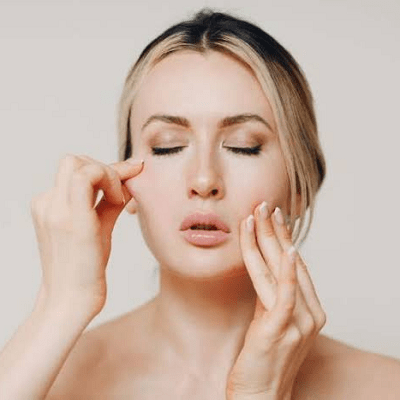
Have you started noticing a softer jawline, mild sagging around your cheeks, or loose skin on your neck? You may want a firmer appearance but aren’t ready for surgery.
This is where HIFU therapy can be worth considering. High-Intensity Focused Ultrasound uses focused ultrasound energy to create controlled heating beneath the skin, encouraging collagen remodeling and gradual tissue tightening. It can improve mild to moderate skin laxity without incisions or the recovery associated with a surgical facelift.
For people exploring HIFU Therapy in Islamabad, the important question isn’t simply whether HIFU is popular. It’s whether the technology, treatment depth, energy settings, and treatment plan are appropriate for your facial anatomy and degree of laxity.
What Is HIFU Skin Tightening?
HIFU stands for High-Intensity Focused Ultrasound. Unlike treatments that primarily work on the skin’s surface, focused ultrasound can deliver energy to selected deeper tissue layers.
The controlled thermal effect stimulates the body’s natural healing response and collagen remodeling. Over time, newly formed and reorganized collagen can make treated areas appear firmer and more lifted. Research and recent reviews continue to support focused ultrasound as an established non-invasive approach for aesthetic skin tightening.
Common treatment areas include:
- Lower face and cheeks
- Jawline
- Under the chin
- Neck
- Brow area
- Décolletage in selected patients
One important point: HIFU isn’t a surgical facelift. It can provide a gradual tightening and lifting effect, but it can’t reproduce the degree of correction achieved by removing excess skin surgically.
How Does HIFU Work?
The treatment works by delivering focused ultrasound energy at selected tissue depths.
Step 1: Consultation and skin assessment
A qualified practitioner assesses skin laxity, facial structure, skin thickness, treatment goals, and areas that actually need tightening.
Step 2: Treatment mapping
The practitioner determines which areas and depths should be treated. This step matters because applying energy without considering facial anatomy can lead to disappointing or inappropriate results.
Step 3: Ultrasound energy delivery
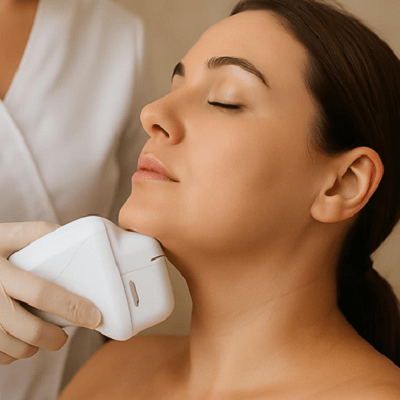
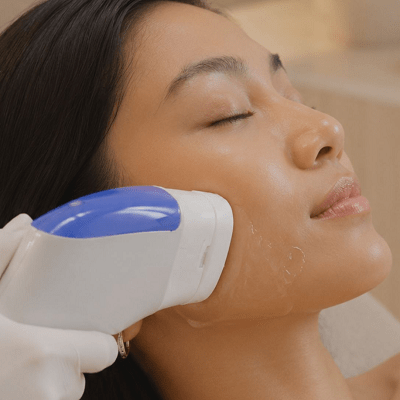
A handheld device delivers focused ultrasound pulses to the planned treatment areas. Patients may experience warmth, tingling, pressure, or brief discomfort during individual pulses.
Step 4: Collagen remodeling
The treatment creates controlled thermal points beneath the skin. Collagen remodeling happens gradually rather than producing the full result immediately.
What Are the Benefits of HIFU?
When appropriately selected and performed, HIFU may help:
- Improve mild to moderate skin laxity
- Define the appearance of the jawline
- Tighten loose skin beneath the chin
- Improve neck firmness
- Soften the appearance of some fine lines
- Support a more lifted facial contour
- Stimulate gradual collagen remodeling
- Avoid incisions and surgical downtime
A major attraction is that the change tends to develop gradually, rather than dramatically altering facial appearance overnight.
Who Is a Good Candidate for HIFU?
HIFU generally suits adults with mild to moderate skin laxity who want a non-surgical treatment.
You may be a suitable candidate if you:
- Notice early sagging around the cheeks or jawline
- Have some loss of firmness around the neck
- Want subtle, progressive improvement
- Prefer a non-invasive option
- Have realistic expectations about what HIFU can achieve
At a consultation, ARB Clinic can assess whether the degree and location of skin laxity make HIFU appropriate or whether another treatment would better match the desired outcome.
Who May Not Be an Ideal Candidate?
HIFU may not be the best choice for everyone. People with substantial excess skin, advanced facial laxity, certain active skin conditions, or specific medical circumstances may require a different approach.
The right decision should be based on an individual assessment rather than age alone.
HIFU Results: What Should You Expect?
HIFU results are generally gradual.
Some people notice a small initial tightening effect, but the more meaningful improvement develops as collagen remodeling takes place over the following weeks and months. Clinical outcomes vary according to age, skin quality, degree of laxity, treatment area, device, and technique.
Many clinics describe results lasting around 12–18 months, although this shouldn’t be treated as a guarantee. Individual results can be shorter or longer.
HIFU also doesn’t stop the natural aging process. Maintenance may eventually be considered depending on how your skin changes.
HIFU vs Surgical Facelift
| Feature | HIFU | Surgical Facelift |
| Surgery | No | Yes |
| Incisions | No | Yes |
| Downtime | Usually minimal | Significant recovery |
| Results | Gradual and subtle | More substantial |
| Excess skin removal | No | Yes |
| Best suited for | Mild–moderate laxity | More advanced laxity |
If someone has considerable loose skin, choosing HIFU simply because it’s non-surgical may lead to unrealistic expectations. In some cases, a surgical consultation may be more appropriate.
HIFU Treatment in Islamabad: What Affects the Cost?
The price of HIFU Treatment in Islamabad can vary considerably. Published local listings show a wide range, with pricing influenced by the clinic, device, treatment area, number of lines or pulses, and whether the face, neck, or multiple areas are treated. Current Islamabad listings show HIFU prices ranging from roughly tens of thousands of rupees to substantially higher amounts for some providers and treatment plans.
Before choosing a package, ask:
- Which HIFU device is being used?
- Which areas are included?
- How is the treatment plan determined?
- Who will perform the procedure?
- Is consultation included?
- What follow-up care is provided?
A very low price isn’t necessarily a bargain if the treatment isn’t properly planned or performed.
Is HIFU Safe?
HIFU is generally considered a non-invasive treatment, but non-invasive doesn’t mean risk-free.
Temporary redness, tenderness, swelling, tingling, or discomfort can occur. Incorrect technique or inappropriate energy delivery can increase the risk of unwanted effects. Device-specific safety and practitioner training therefore matter.
It’s also worth understanding that not every ultrasound device is identical. Some newer microfocused ultrasound systems incorporate real-time visualization, while conventional HIFU systems may not, so comparing treatments solely by the word “HIFU” can be misleading.
Aftercare and Maintenance
One advantage of HIFU is that most patients can return to normal activities quickly.
After treatment, your practitioner may recommend:
- Gentle skincare for the first few days
- Consistent broad-spectrum sunscreen
- Avoiding unnecessary irritation
- Following any clinic-specific instructions
- Maintaining a healthy skincare routine
Sun protection is particularly important because UV exposure contributes to collagen breakdown and premature skin aging.
Common HIFU Mistakes to Avoid
Choosing based only on price: Cheap treatment isn’t automatically good value.
Expecting a facelift-level result: HIFU works best when expectations match the degree of correction possible without surgery.
Ignoring facial anatomy: Treatment should be customized rather than applying the same settings to every face.
Assuming more energy means better results: Higher intensity isn’t necessarily better or safer.
Skipping consultation: A proper assessment helps determine whether HIFU—or another treatment—is actually appropriate.
Frequently Asked Questions
How Does HIFU Tighten the Skin?
Focused ultrasound creates controlled thermal effects in selected deeper tissue layers, stimulating collagen remodeling and gradual tightening.
Is HIFU Painful?
Sensation varies. Some patients experience warmth, tingling, pressure, or brief discomfort during treatment. Your practitioner can discuss comfort-management options beforehand.
How Long Do HIFU Results Last?
Results vary between individuals. Many patients may see effects for around 12–18 months, but longevity depends on skin condition, aging, lifestyle, and treatment factors.
How Many HIFU Sessions Do I Need?
There isn’t one correct number for everyone. Some patients may have meaningful improvement after a single treatment, while others may need a personalized follow-up or maintenance plan.
Is HIFU Worth It?
For someone with mild to moderate laxity who wants gradual improvement without surgery, HIFU can be a reasonable option. It may be less suitable for someone expecting major correction of significant excess skin.
What Should I Expect Before and After HIFU?
Before treatment, expect a consultation and assessment of your skin and facial anatomy. After treatment, mild temporary sensitivity or redness may occur, while visible tightening generally develops progressively as collagen remodeling occurs.
Final Thoughts
Lift and Tighten Skin with HIFU Therapy can be an appealing option when you want firmer-looking skin without surgery. Its biggest strengths are non-invasive treatment, minimal disruption to daily life, and gradual collagen-based improvement.
But the quality of the outcome depends on more than the device itself. Proper patient selection, anatomical assessment, appropriate treatment depth, energy settings, and realistic expectations all matter.
If you’re considering HIFU Therapy in Islamabad, start with a professional consultation rather than choosing a clinic based solely on promotional claims or price. A qualified practitioner such as ARB Clinic can help determine whether HIFU fits your concerns and whether another skin-tightening approach may provide a better result.