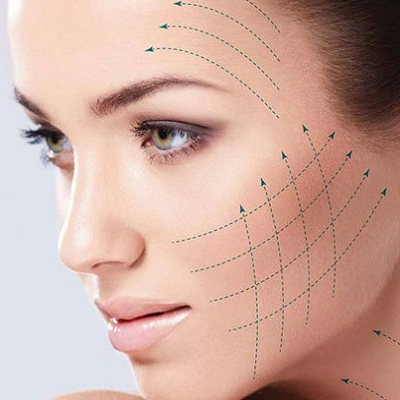
Have you noticed that your face looks more tired, hollow, or less defined even though you’re taking good care of your skin? Aging isn’t caused by wrinkles alone. Over time, changes occur in facial fat, connective tissues, muscles, skin, and even underlying bone structure.
That’s why modern facial rejuvenation is moving beyond simply “filling a wrinkle.”Reversing Aging with Layered Filler Techniques focuses on restoring support and volume at carefully selected depths while preserving the natural proportions and movement of the face.
For people considering Dermal Fillers in Islamabad, understanding this layered approach is important. Instead of treating every visible line individually, a skilled practitioner assesses the face as a whole and determines where structural support or volume restoration may be needed.
Research describes facial aging as a multi-layer process involving bone remodeling, ligament changes, fat redistribution or loss, soft-tissue descent, and changes in skin quality.
The goal isn’t to make someone look like a different person. It’s to make the face look fresher, more balanced, and appropriately supported.
What Are Layered Filler Techniques?
Layered filler treatment means strategically placing different filler formulations or amounts at different anatomical depths according to the patient’s facial structure and aging pattern.
Instead of treating every visible line directly, an experienced injector may first assess whether a deeper loss of support is contributing to that line or contour change.
For example, reduced mid-face volume can affect cheek projection and create a heavier appearance around the lower face. Restoring appropriate structural support may improve overall facial balance without aggressively filling every wrinkle.
Modern literature supports anatomy-based, multi-layer approaches because the aging process affects interconnected facial structures rather than one isolated layer.
How Does Layered Filler Rejuvenation Work?
A layered plan is individualized, but it may address several levels of the face:
1. Deep Structural Support
The deepest treatment level may be used to restore strategic support where age-related volume loss has affected facial projection.
Depending on the area and product, firmer fillers may be selected for structural contouring of areas such as the cheeks, chin, or jawline.
2. Mid-Level Volume Restoration
The next layer can address changes in facial fat compartments and soft-tissue volume.
This may help improve:
- Flattened cheeks
- Temple hollowing
- Loss of facial projection
- Early jowling
- Changes in facial proportions
The objective is controlled restoration rather than adding large amounts of product.
3. Superficial Refinement
A softer filler may sometimes be used closer to the surface for selected lines, contour transitions, or subtle volume adjustments.
This is where precision becomes particularly important. Too much superficial product can create visible irregularities or an overfilled appearance.
4. Skin Quality
Fillers aren’t a replacement for a complete skincare or skin-rejuvenation strategy. Fine lines, dehydration, pigmentation, and reduced elasticity may require other treatments.
Depending on the individual, a broader rejuvenation plan may combine fillers with skin-focused procedures rather than expecting filler alone to correct every sign of aging.
Why Layering Can Look More Natural Than “Filling Everything”?
One of the biggest misconceptions about facial fillers is that more product automatically means better rejuvenation.
It doesn’t.
A skilled treatment plan considers where support has been lost, how much volume is appropriate, and which product characteristics suit each anatomical area.
Clinical reviews emphasize that product selection, anatomy, injection depth, and technique all influence aesthetic results.
A useful way to think about layered rejuvenation is:
| Treatment Goal | Possible Approach |
| Restore structural support | Deeper, more supportive filler |
| Improve cheek volume | Strategic mid-face placement |
| Refine facial contours | Targeted chin or jawline treatment |
| Soften selected lines | Carefully placed superficial filler |
| Improve skin quality | Skin-focused treatments or boosters |
| Reduce dynamic wrinkles | May require a different treatment, such as botulinum toxin |
Not every patient needs every layer.
What Areas Can Be Treated?
Depending on facial anatomy and individual goals, layered filler planning may involve:
- Cheeks and mid-face
- Temples
- Chin
- Jawline
- Nasolabial folds
- Marionette lines
- Lips
- Under-eye hollows in appropriately selected patients
Treatment around the eyes and other anatomically sensitive regions requires particularly careful assessment because important blood vessels and structures are present in these areas.
What Happens During a Layered Filler Treatment?
A professional treatment generally begins long before the injection itself.
Step 1: Facial Assessment
The practitioner examines the face from different angles, assessing volume loss, asymmetry, skin quality, proportions, and areas of laxity.
Step 2: Treatment Planning
Rather than deciding on a predetermined number of syringes, the practitioner determines which areas actually require correction.
Step 3: Product Selection
Different fillers have different properties. Hyaluronic acid fillers, for example, are temporary and work by integrating with tissue and attracting water. Other filler materials have different mechanisms, longevity, and indications.
Step 4: Strategic Injection
The filler is placed at the appropriate anatomical depth using an appropriate injection technique. The exact technique depends on the area, product, anatomy, and injector’s clinical judgment.
Step 5: Assessment and Follow-Up
Results are assessed after initial swelling settles. Additional product may sometimes be considered, but conservative correction is generally preferable to trying to achieve the entire result in one aggressive session.
Benefits of Layered Filler Techniques
When appropriately planned, layered filler treatment may help:
- Restore age-related facial volume
- Improve facial proportions
- Enhance cheek or chin projection
- Refine jawline definition
- Soften selected folds and hollows
- Create a more rested appearance
- Maintain natural facial movement
- Produce gradual, balanced rejuvenation
The important distinction is that fillers can reduce visible signs of aging, but they don’t literally stop or reverse biological aging.
Who Is a Good Candidate?
You may be a suitable candidate if you:
- Have age-related volume loss
- Notice facial hollowness or flattening
- Want non-surgical facial rejuvenation
- Prefer subtle improvements
- Have realistic expectations
- Understand that maintenance may eventually be required
A consultation is essential because some concerns that appear to be caused by volume loss may actually be related to significant skin laxity, muscle activity, pigmentation, or other factors.
Who Should Avoid or Delay Treatment?
Dermal fillers may not be appropriate in every situation. Treatment may need to be postponed or reconsidered if you have an active infection in the treatment area or certain medical or medication-related considerations.
Pregnancy and breastfeeding, previous filler complications, allergies, autoimmune conditions, and a history of certain reactions should be discussed with your healthcare provider before treatment.
A proper medical history is an important part of safe injectable treatment.
Is Filler Treatment Safe?
Dermal fillers are medical procedures, so “non-surgical” doesn’t mean “risk-free.”
Temporary swelling, bruising, redness, tenderness, and discomfort are relatively common. More serious complications can occur, including infection, nodules, tissue injury, and accidental injection into a blood vessel. Vascular occlusion can potentially cause tissue necrosis, vision problems, or stroke and requires urgent medical attention.
This is why choosing a properly trained medical injector with detailed knowledge of facial anatomy is more important than choosing a treatment based purely on price.
Choosing Filler Treatment in Islamabad
If you’re researching Filler in Islamabad, don’t compare clinics only by the number of syringes offered or the advertised price.
Ask:
- Who will perform the injections?
- What filler product is being used?
- Is the product sealed and properly labeled?
- Why has that particular filler been recommended?
- Which facial layers will be treated?
- What are the potential risks?
- What is the plan if a complication occurs?
- Is follow-up included?
For patients considering Best Fillers Injection in Islamabad, these questions are more useful than simply searching for the cheapest package.
At ARB Clinic, filler treatments are presented as individualized aesthetic procedures, with facial assessment and product selection based on the patient’s anatomy and goals. The clinic offers several filler treatments, including hyaluronic acid-based options, and identifies Dr. Afsheen Bilal as its treating physician.
How Much Do Layered Fillers Cost?
There isn’t one universal price for layered filler treatment.
The total cost can vary according to:
- Type and brand of filler
- Number of treatment areas
- Amount of product required
- Complexity of the correction
- Whether different products are needed
- Practitioner expertise
- Whether treatment is performed over one or multiple sessions
A trustworthy consultation should explain the proposed treatment plan rather than pushing a fixed number of syringes.
How Long Do Results Last?
Longevity depends heavily on the filler material, treatment area, product characteristics, metabolism, and individual factors.
Hyaluronic acid fillers are temporary and are gradually broken down by the body.
Some patients may require maintenance treatments over time, while others may choose to wait until visible volume loss returns.
Aftercare: What Should You Do After Fillers?
Your injector should provide personalized instructions, but general recommendations may include:
- Avoid unnecessary pressure or massage unless instructed.
- Follow the clinic’s guidance about strenuous exercise.
- Avoid manipulating the treated area.
- Expect some temporary swelling or bruising.
- Attend the recommended follow-up appointment.
- Contact your provider promptly if you experience unusual pain, skin discoloration, vision changes, or other concerning symptoms.
Severe or unexpected symptoms after filler treatment should never be ignored because certain complications require rapid assessment and treatment.
Common Mistakes People Make
Treating Every Wrinkle Directly
A visible line doesn’t always mean it needs filler. Sometimes the underlying structural change matters more.
Chasing Maximum Volume
More filler can produce heaviness rather than youthfulness. Natural rejuvenation depends on proportion.
Choosing Based Only on Price
A cheaper injection is not necessarily a safer injection. Product quality, practitioner training, anatomy knowledge, and complication management matter.
Getting Too Many Areas Treated at Once
A staged approach may sometimes provide better control because the face can be reassessed after the initial correction.
Ignoring Skin Quality
Fillers can restore volume, but they don’t replace sunscreen, skincare, or treatments specifically designed for pigmentation, texture, or laxity.
Frequently Asked Questions
How Does Layered Filler Treatment Work?
It uses strategically selected filler placement at different anatomical depths to address structural support, volume loss, contour, and selected surface concerns rather than treating every wrinkle independently.
Is Layered Filler Treatment Safe?
When performed by a qualified, experienced medical professional using appropriate products and techniques, fillers can be safely administered. However, complications are possible, including rare but serious vascular events.
How Long Do Layered Filler Results Last?
There’s no single timeframe. Longevity varies by product, treatment area, metabolism, and other individual factors. Temporary fillers gradually break down over time.
Will I Look Overfilled?
Not necessarily. Conservative product selection and appropriate placement can help maintain facial movement and natural proportions. However, results depend greatly on treatment planning and injector technique.
Is Layered Filler Better than Traditional Filler?
“Layered” doesn’t automatically mean better for everyone. It can be useful when several anatomical changes contribute to an aged appearance, but the treatment should be customized rather than applied as a standard formula.
Is it Worth Getting Fillers for Aging?
For appropriately selected patients, fillers can provide noticeable improvements in volume, contour, and facial balance without surgery. Whether they’re worthwhile depends on your expectations, anatomy, budget, and willingness to maintain results.
How Much Does Filler Treatment Cost in Islamabad?
The price varies by filler, treatment area, quantity required, and plan complexity. A consultation is the best way to receive an individualized estimate.
What Should I Expect Before and After Treatment?
Before treatment, expect a facial assessment and discussion of goals, products, risks, and expected results. Immediately afterward, mild swelling or bruising may occur. The final appearance becomes easier to assess as these temporary effects settle.
The Bottom Line
Reversing Aging with Layered Filler Techniques is less about adding more filler and more about understanding how the face changes over time.
A well-designed plan may restore strategic volume at different depths, refine facial proportions, and soften selected signs of aging while preserving your individual appearance. The best results are usually based on anatomy, restraint, appropriate product selection, and realistic expectations, not a one-size-fits-all injection plan.
If you’re considering Filler in Islamabad, take time to have your facial structure properly assessed before deciding what you need and how much. A consultation with an experienced medical professional, such as the team at ARB Clinic, can help you understand whether layered filler treatment is appropriate for your specific concerns and what alternatives may be more suitable.