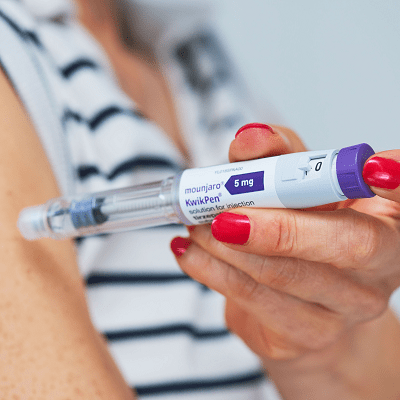
If you’ve been using Mounjaro Injection and are asking yourself, What Happens When You Stop Taking Mounjaro?, you’re not alone. It’s one of the most common questions people have after experiencing significant weight loss or improved blood sugar control with the medication.
The short answer is this: stopping Mounjaro doesn’t cause dangerous withdrawal symptoms, but many of its benefits gradually fade if healthy habits or alternative treatments aren’t in place.
I’ve had conversations with patients and healthcare professionals who were surprised by how quickly appetite returned after discontinuing the medication. At ARB Clinic, this is something we discuss before treatment even begins because having a long-term plan is just as important as starting the medication itself.
Why Does Mounjaro Stop Working After You Discontinue It?
Mounjaro (tirzepatide) works by mimicking natural hormones that regulate:
- Appetite
- Blood sugar
- Digestion
- Insulin release
While you’re taking the medication, these effects help you feel fuller for longer and often make it easier to consume fewer calories.
Once you stop taking it, those hormonal effects gradually wear off over several weeks. Your body simply returns to functioning without the medication’s support.
That’s why many people notice changes even if they haven’t altered their daily routine.
Will You Gain Weight After Stopping Mounjaro?
This is the biggest concern for most users, and it’s a realistic one.
Clinical research has shown that many people regain at least some of the weight they lost after discontinuing GLP-1 and GIP-based medications if no long-term lifestyle strategy is maintained.
Weight regain doesn’t happen overnight, but you may notice:
- Increased hunger
- More frequent cravings
- Larger portion sizes
- Slower weight loss or gradual weight gain
That doesn’t mean everyone regains all of their weight.
People who continue exercising regularly, prioritize protein, manage stress, and maintain healthy eating habits often keep a significant portion of their results.
What Happens to Blood Sugar?
For people with type 2 diabetes, stopping Mounjaro may lead to:
Higher blood sugar levels
As the medication leaves your system, glucose control can become more difficult.
Your healthcare provider may recommend:
- Switching to another diabetes medication
- Adjusting insulin doses
- Increasing blood sugar monitoring
- Reviewing your nutrition plan
Never stop diabetes medication without medical guidance.
Will Appetite Come Back?
In many cases, yes.
One of the biggest benefits of Mounjaro is appetite regulation. After stopping treatment, many people notice:
- Feeling hungry sooner
- Reduced fullness after meals
- Increased snacking
- Stronger cravings for high-calorie foods
From my experience reviewing patient outcomes, this tends to be the first noticeable change rather than immediate weight gain itself.
Recognizing this early makes it much easier to stay on track.
Are There Withdrawal Symptoms?
Fortunately, Mounjaro isn’t considered physically addictive.
Most people do not experience classic withdrawal symptoms.
Instead, they experience the gradual return of the conditions the medication was helping manage.
Possible changes include:
- Increased appetite
- Rising blood sugar
- Weight regain
- Reduced feeling of fullness
Some people also notice mild digestive adjustments as their body adapts, although these usually improve naturally.
Should You Stop Mounjaro Suddenly?
This depends on why you’re stopping.
Reasons may include:
- Pregnancy planning
- Side effects
- Reaching weight goals
- Medication cost
- Doctor’s recommendation
For many people, there’s no medical requirement to taper Mounjaro, but stopping should always be discussed with the prescribing clinician so an alternative plan can be created if needed.
How Can You Maintain Your Results?
This is where long-term success really happens.
The patients who maintain their progress usually don’t rely on willpower alone. They build sustainable habits before stopping treatment.
Focus on:
Eat enough protein
Protein helps control hunger and preserve muscle while maintaining weight.
Stay active
Aim for a combination of:
- Strength training
- Walking
- Cardio
- Daily movement
Monitor your weight
Weekly check-ins help you identify small changes before they become significant.
Sleep well
Poor sleep often increases hunger hormones and cravings.
Continue medical follow-up
Regular appointments help determine whether another treatment approach is appropriate.
When discussing Mounjaro Injections in Islamabad, healthcare providers at ARB Clinic often emphasize that medication should be viewed as one part of a comprehensive weight-management strategy rather than a permanent standalone solution.
Who Is Most Likely to Regain Weight?
Several factors can increase the likelihood of weight regain:
- Stopping treatment early
- Returning to previous eating habits
- Limited physical activity
- Untreated emotional eating
- Lack of ongoing medical support
On the other hand, people who continue healthy routines often maintain meaningful improvements even after stopping.
Frequently Asked Questions
How Long Does Mounjaro Stay in Your Body?
Mounjaro has a relatively long half-life, so it can remain in your body for around 25 to 30 days after your last injection, although its effects gradually decrease during that time.
Can I Stop Mounjaro after Reaching my Goal Weight?
Yes, but it’s best to create a maintenance plan with your healthcare provider before stopping to reduce the chances of weight regain.
Does Everyone Gain Weight after Stopping Mounjaro?
No. Many people regain some weight, but the amount varies depending on lifestyle, nutrition, activity level, and ongoing medical care.
Can I Restart Mounjaro Later?
In many cases, yes. Your healthcare provider will determine whether restarting is appropriate and may recommend beginning with a lower dose again.
Is it Safe to Stop Mounjaro Without Tapering?
For most people, tapering isn’t required, but you should always consult your prescribing clinician before making changes to your treatment plan.
Final Thoughts
Stopping Mounjaro doesn’t usually cause withdrawal symptoms, but it often means the medication’s benefits gradually fade over time. Appetite may return, blood sugar can become harder to manage, and some weight regain is common without a long-term maintenance strategy.
One lesson I’ve seen repeatedly is that lasting success isn’t just about the medication; it’s about the habits built alongside it. Clinics like ARB Clinic encourage patients to think beyond the prescription by combining medical treatment with realistic nutrition, regular activity, and ongoing follow-up. That balanced approach gives people the best chance of maintaining their health and the progress they’ve worked hard to achieve.