

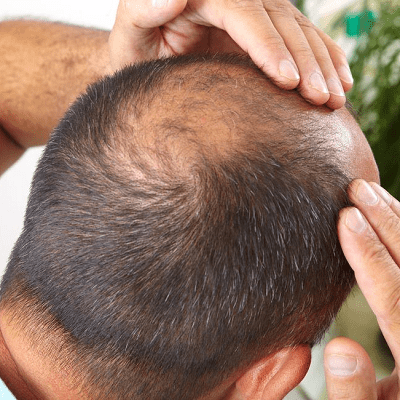
fHair loss can affect more than your appearance; it often impacts confidence and self-image. If you’ve been researching hair restoration, you’ve probably come across What to Expect Before and After a FUE Hair Transplant. Understanding the entire journey, not just the procedure itself, helps you make informed decisions and avoid unrealistic expectations.
Follicular Unit Extraction (FUE) has become one of the most popular hair restoration techniques because it offers natural-looking results with minimal scarring. Like any medical procedure, though, success depends on proper planning, an experienced surgical team, and following aftercare instructions carefully.
What Should You Expect Before and After a FUE Hair Transplant?
Before a FUE hair transplant, you’ll undergo a medical consultation, scalp assessment, and receive instructions on medications, smoking, and alcohol. After the procedure, expect mild redness, swelling, and temporary shedding (“shock loss”) during the first few weeks. New hair growth typically begins around 3–4 months, while full results usually develop over 12–18 months.
What Is an FUE Hair Transplant?
FUE (Follicular Unit Extraction) is a surgical hair restoration technique where individual hair follicles are harvested from a donor area—usually the back or sides of the scalp and implanted into thinning or bald areas.
Unlike older strip methods (FUT), FUE doesn’t leave a long linear scar. Instead, tiny extraction sites heal as small dots that are often difficult to notice once healed.
Before Your FUE Hair Transplant
Preparation begins well before surgery day.
Initial Consultation
A reputable clinic will assess:
- Your pattern of hair loss
- Donor hair density
- Family history
- Overall health
- Future risk of hair loss
- Realistic expectations
Experienced surgeons don’t simply count grafts—they design a hairline that looks natural today and remains appropriate years from now.
Preparing for Surgery
Your surgeon may advise you to:
- Stop smoking before surgery
- Avoid alcohol for several days
- Pause certain blood-thinning medications (only under medical guidance)
- Wash your hair as instructed
- Eat a healthy meal before arriving
- Wear comfortable, loose-fitting clothing
Following these instructions helps reduce complications and supports healing.
What Happens During the Procedure?
Although every patient is different, the process generally includes:
| Step | What Happens |
| Consultation | Hairline planning and photographs |
| Local anesthesia | Numbs donor and recipient areas |
| Follicle extraction | Individual grafts are harvested |
| Graft preparation | Follicles are sorted and preserved |
| Implantation | Hair is placed following natural growth direction |
| Post-operative instructions | Recovery guidance before going home |
Most FUE procedures are completed in one day, although larger sessions may require additional time.
What to Expect Immediately After Surgery
The first few days are usually easier than many patients anticipate.
It’s common to experience:
- Mild swelling
- Tiny scabs
- Redness
- Tightness in the donor area
- Minor discomfort controlled with prescribed medication
These symptoms generally improve within the first week.
Recovery Timeline
Days 1–7
- Small scabs develop
- Sleep with your head elevated
- Avoid touching the grafts
- Follow your washing instructions carefully
Weeks 2–8
Many patients become concerned during this stage because transplanted hairs often shed.
This temporary “shock loss” is a normal part of the healing process—not a sign that the transplant has failed. The follicles remain alive beneath the skin.
Months 3–6
New hairs gradually begin growing.
Growth is usually uneven at first, with finer hairs appearing before thickening over time.
Months 9–18
Most patients notice significant improvement in:
- Hair density
- Hairline definition
- Styling options
- Overall appearance
Final maturation may continue for up to 18 months, especially in the crown area.
Benefits of FUE Hair Transplant
Some advantages include:
- Natural-looking hair growth
- Minimal visible scarring
- Faster recovery than traditional strip surgery
- Permanent transplanted follicles in many suitable candidates
- Ability to wear shorter hairstyles
Keep in mind that a transplant restores existing hair; it doesn’t stop future hair loss. Some patients may still benefit from medical therapies recommended by their physician.
Who Is a Good Candidate?
FUE may be suitable for people who:
- Have stable pattern hair loss
- Possess adequate donor hair
- Are in good general health
- Have realistic expectations
- Want a minimally invasive solution
Who Should Delay or Avoid Treatment?
FUE may not be appropriate if you have:
- Active scalp infections
- Uncontrolled medical conditions
- Poor donor hair availability
- Certain scarring disorders
- Unrealistic expectations about density or coverage
A professional consultation is essential before deciding whether surgery is appropriate.
Common Mistakes Patients Make
Based on common clinical observations, patients often:
- Scratch healing grafts
- Return to exercise too soon
- Smoke during recovery
- Judge results within the first two months
- Choose clinics based only on the lowest price
One of the biggest misconceptions is expecting immediate cosmetic improvement. Hair restoration is a gradual process that requires patience.
Expert Recommendations
From a clinical perspective, the best long-term outcomes usually come from careful planning rather than simply transplanting the highest number of grafts.
When choosing a provider, consider:
- Surgeon experience
- Before-and-after case documentation
- Transparent consultation process
- Realistic treatment planning
- Long-term donor area preservation
At ARB Clinic, consultations focus on individualized treatment planning rather than a one-size-fits-all approach. Patients benefit from comprehensive scalp assessments and realistic discussions about expected outcomes, helping them make informed decisions with confidence.
What About FUE Hair Transplant in Islamabad?
Interest in FUE Hair Transplant in Islamabad has grown significantly due to the availability of modern techniques and experienced hair restoration specialists.
When comparing clinics, don’t focus solely on cost. Evaluate:
- Surgeon qualifications
- Hygiene standards
- Patient reviews
- Follow-up care
- Transparency about expected results
Choosing a clinic with a strong reputation and a patient-centered consultation process often contributes more to satisfaction than selecting the lowest-priced option.
Frequently Asked Questions
How Does a FUE Hair Transplant Work?
Individual hair follicles are extracted from a donor area and implanted into thinning or bald regions using precise surgical techniques.
Is a FUE Hair Transplant Safe?
When performed by qualified professionals, FUE is generally considered a safe procedure. As with any surgery, there are potential risks, including infection, swelling, and temporary shedding, but serious complications are uncommon.
How Long Do FUE Results Last?
Transplanted follicles are generally resistant to the type of hair loss that caused the original thinning. However, surrounding natural hair may continue to thin over time, so some patients benefit from ongoing medical management.
How Much Does a FUE Hair Transplant Cost?
Costs vary depending on the clinic, surgeon experience, number of grafts required, and geographic location. A personalized consultation is the best way to receive an accurate estimate.
Is a FUE Hair Transplant Worth It?
For suitable candidates with realistic expectations, FUE can provide long-lasting, natural-looking improvements that many patients find worthwhile.
What Should I Expect Before and After a FUE Hair Transplant?
Before surgery, expect consultation, medical assessment, and preparation instructions. After surgery, you’ll experience a short healing period, temporary shedding, gradual regrowth beginning around three to four months, and continued improvement over the following year.
Conclusion
Knowing What to Expect Before and after a FUE Hair Transplant helps set realistic expectations and improves your overall experience. The procedure isn’t an overnight solution, but with careful planning, appropriate aftercare, and patience, many suitable candidates achieve natural-looking, long-term improvements.
If you’re considering a FUE Hair Transplant in Islamabad, take time to research your options, ask detailed questions during your consultation, and choose a clinic that prioritizes safety, transparency, and individualized treatment. Clinics such as ARB Clinic emphasize comprehensive evaluations and realistic treatment planning, helping patients make informed decisions that align with their long-term hair restoration goals.