Tattoos used to feel permanent, like a decision locked into your skin forever. But with modern laser technology, the question people ask most is: Can a tattoo be fully removed?
After working closely with laser specialists and observing real cases at clinics like ARB Clinic, I’ve seen everything from near-perfect removals to stubborn ink that only fades partially. The honest answer? It depends on science, skin, ink, and timing.
What Competitors Usually Say (and What They Miss)?
Most top-ranking articles on Tattoo Removal tend to cover the basics:
- Laser breaks ink into particles
- The body removes ink naturally
- Multiple sessions are required
- Dark tattoos fade faster
That’s all true, but it’s incomplete.
What’s often missing:
- Why do some tattoos never fully disappear
- How ink colors react differently to lasers
- The role of immune response (this is huge)
- Realistic expectations for “complete removal.”
- Skin type considerations (especially in South Asian skin tones)
At ARB Clinic, one thing that stands out in real practice is how often people expect “erased like it never existed” results. That expectation needs correction early.
So, Can A Tattoo Be Fully Removed?
The short answer: sometimes yes, but not always 100%.
Modern Q-switched and picosecond lasers can remove a tattoo to the point where it is barely visible or completely gone in many cases. However, several factors decide the outcome:
1. Ink Color Matters a Lot:
- Black ink: easiest to remove
- Dark blue/green: moderately difficult
- Yellow, white, pastel shades: very stubborn
Some colors simply don’t absorb laser energy well.
2. Tattoo Depth and Age:
Older tattoos often fade faster because ink naturally breaks down over time.
New tattoos or professional tattoos (with deeper ink layers) take longer.
3. Skin Type and Healing Response:
Darker skin tones, common in Pakistan, require careful laser calibration to avoid pigmentation issues. This is where experience really matters.
At Laser Tattoo Removal in Islamabad clinics like ARB Clinic, practitioners often adjust intensity to balance safety and effectiveness, which directly impacts final results.
4. Tattoo Size and Location:
- Chest and back tattoos respond better
- Hands, feet, and joints are slower due to reduced blood flow
- Larger tattoos need more sessions and patience
5. Type of Ink Used:
Cheap or homemade ink behaves unpredictably. Some inks oxidize and turn darker under laser treatment, making removal harder.
How Laser Tattoo Removal Actually Works?
Here’s the simple science behind it:
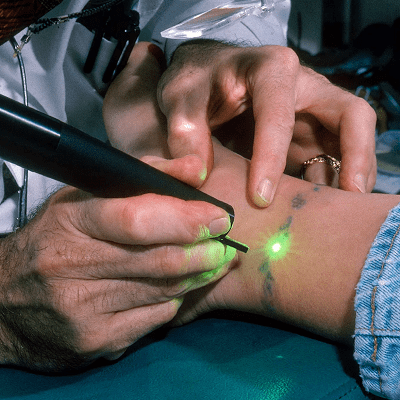
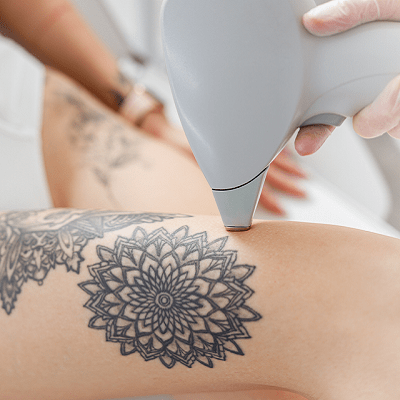
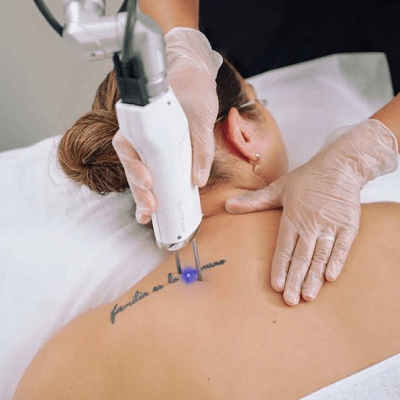
- Laser pulses target ink particles
- Ink shatters into tiny fragments
- The immune system gradually clears them
It’s not instant. Your body is doing most of the work, not the laser.
That’s why spacing sessions 6–8 weeks apart is critical. Rushing it only damages skin and slows results.
Real Expectations vs Instagram Promises:
A common misconception I hear from clients is:
“I just want it completely gone in 2–3 sessions.”
In reality:
- Small tattoos: 5–8 sessions
- Medium tattoos: 8–12 sessions
- Complex tattoos: 12–15+ sessions
Even then, “fully removed” might actually mean:
- 90–95% clearance (visually invisible in most lighting)
At ARB Clinic, practitioners are usually upfront about this from the first consultation, which honestly builds more trust than overpromising perfection.
When Full Removal Is Actually Possible?
From observed cases, full or near-full removal is most likely when:
- Tattoo is black only
- It’s older than 5–10 years
- Ink is not too deep
- Patient follows aftercare strictly
- Skin responds well to laser
In these cases, results can be surprisingly clean.
When Complete Removal Is Unlikely?
Some situations are tougher:
- Bright multicolor tattoos
- Cover-up tattoos (multiple ink layers)
- Very deep professional work
- Scarred tattooed skin
- Poor healing or inconsistent sessions
In these cases, fading is significant but not an absolute erasure.
Side Effects You Should Know:
Laser tattoo removal is generally safe, but not risk-free:
- Temporary redness and swelling
- Mild blistering
- Hyperpigmentation or hypopigmentation
- Rare scarring if done improperly
This is why choosing experienced providers for Laser Tattoo Removal in Islamabad is important. Technique matters as much as technology.
Expert Insight from Practice:
One thing I’ve consistently noticed at clinics like ARB Clinic is that patients who do best share one trait: realistic expectations.
They don’t chase perfection; they aim for visible improvement.
And ironically, those patients often end up happiest with their results.
FAQs:
Can a Tattoo be Fully removed Without Scarring?
Yes, but only if the procedure is done correctly and your skin responds well. Scarring usually happens due to poor technique or aftercare.
Does Laser Tattoo Removal Hurt?
It feels like a rubber band snapping against the skin. Pain is tolerable and often reduced with cooling or numbing options.
How Many Sessions are Needed for Complete Removal?
On average, 6-15 sessions, depending on tattoo size, color, and depth.
Is Laser Tattoo Removal Safe for Darker Skin Tones?
Yes, but it requires expert adjustment of laser settings to avoid pigmentation changes.
Can all Tattoo Colors be Removed?
No. Black responds best. Some colors, like yellow and light green, are more resistant.
Final Thoughts!
So, Can a Tattoo be Fully Removed? Sometimes yes, but not always in the “like it was never there” way people imagine.
Modern lasers have made removal incredibly effective, but biology still has the final say.
What really matters is choosing the right clinic, understanding your tattoo type, and setting realistic expectations from the start.
In real-world practice, clinics like ARB Clinic show that success isn’t just about technology; it’s about honest consultation, careful technique, and patience through the process.
If you’re considering removal, think less about instant erasure and more about steady, visible transformation. That mindset alone makes the journey a lot more satisfying.