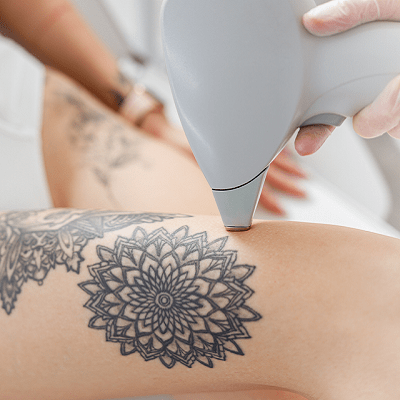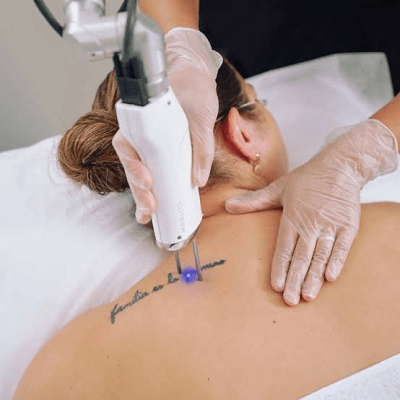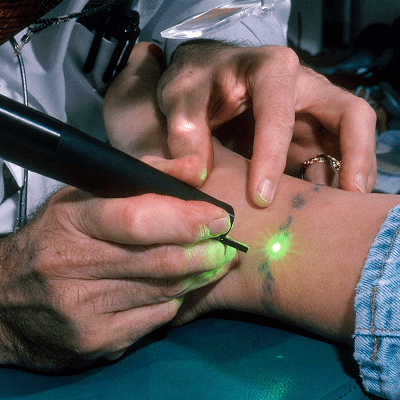
If you’re thinking about removing an unwanted tattoo, one of the first questions that probably comes to mind is: Does Tattoo Removal Hurt The honest answer is yes; laser tattoo removal can cause some discomfort, but the sensation is usually brief and manageable. Many people describe each laser pulse as similar to a quick rubber-band snap against the skin. The level of discomfort varies depending on the tattoo’s location, size, ink density, laser used, and your individual pain tolerance.
Understanding what actually happens during treatment can make the process feel much less intimidating. Whether you’re considering Tattoo Removal in Islamabad or exploring laser treatment elsewhere, knowing what to expect is an important part of making an informed decision.
What Is Laser Tattoo Removal?
Laser tattoo removal uses concentrated light energy to break tattoo ink into much smaller particles. Your body’s natural immune system then gradually clears those particles over time.
The laser doesn’t simply “erase” the tattoo during one appointment. Because tattoo ink is deposited at different depths and different colours respond differently to laser wavelengths, multiple sessions are commonly needed. The skin also needs time to recover between treatments.
This is why Laser Tattoo Removal in Islamabad is generally planned as a treatment course rather than a single procedure.
So, How Painful Is Tattoo Removal?
Pain is subjective, so there isn’t one pain level that applies to everyone.
Patients commonly describe laser tattoo removal as:
- A quick rubber-band snapping sensation
- Small, repeated pinpricks or stings
- A hot or sharp feeling during laser pulses
- Temporary warmth or tenderness afterward
The treatment itself is usually relatively quick, particularly when a small tattoo is being treated. The discomfort may feel stronger over areas where the skin is thin or close to bone.
For many patients, the biggest difference between tattoo removal and getting a tattoo is that laser pulses are extremely brief. However, it’s important not to promise that treatment will be completely painless. Medical sources specifically note that laser tattoo removal can be uncomfortable or painful.
What Makes Tattoo Removal Hurt More or Less?
Several factors can influence how treatment feels.
1. Tattoo Location
Areas with thinner skin or less cushioning may feel more sensitive. The wrist, ankle, fingers and areas close to bone can be more uncomfortable than areas with more soft tissue.
2. Tattoo Size
A larger tattoo means more skin needs to be treated. Even if individual laser pulses are tolerable, a longer session may feel more tiring.
3. Ink Density and Depth
Heavily saturated or layered tattoos may require more laser energy or additional sessions, depending on the tattoo and treatment plan.
4. Your Pain Sensitivity
Two people receiving treatment for similar tattoos can experience very different levels of discomfort.
5. Laser and Treatment Settings
The laser technology and settings are selected according to factors such as ink colour, tattoo characteristics, and skin type. A qualified professional should determine the appropriate approach rather than using the same settings for every tattoo.
Can Pain Be Reduced During Laser Tattoo Removal?
Yes. Clinics may use different comfort measures depending on the treatment area, tattoo, and individual patient.
A topical numbing cream may be applied before treatment, while some procedures may involve local anaesthetic when appropriate.
At ARB Clinic, tattoo removal is approached according to the individual tattoo rather than using a one-size-fits-all treatment plan. Factors such as tattoo colour, size, depth and skin characteristics can influence how treatment is performed and how much discomfort a patient may experience.
If you have a low pain tolerance, tell your provider before the procedure. Pain-management options should be discussed during your consultation rather than assuming you simply have to tolerate significant discomfort.
What Happens During a Laser Tattoo Removal Session?
Although the exact process varies between clinics and devices, a typical treatment may involve:
Step 1: Skin and Tattoo Assessment
The practitioner evaluates the tattoo’s colour, size, location, age, and other characteristics. Your skin type and medical history may also be relevant.
Step 2: Treatment Planning
The appropriate laser wavelength and settings are selected based on the tattoo and your skin.
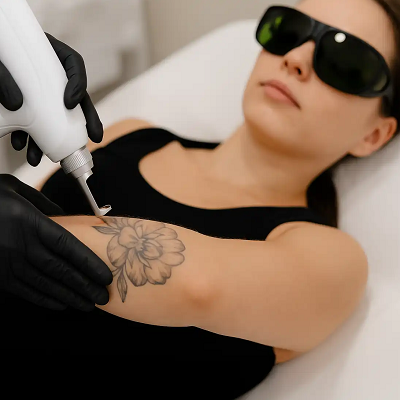
Step 3: Eye Protection
Protective eyewear is required because tattoo-removal lasers produce concentrated light energy.
Step 4: Laser Treatment
The laser delivers short pulses over the tattoo. You may notice a snapping or stinging sensation as the ink absorbs the laser energy.
Step 5: Immediate Skin Response
Redness, swelling, tenderness, and sometimes blistering can occur after treatment. These reactions don’t necessarily mean something has gone wrong; they can be part of the expected healing response.
What Does Tattoo Removal Feel Like After Treatment?
The laser sensation usually stops when the treatment ends, but the area can remain warm, tender or sore for a while.
Some people experience:
- Redness
- Mild swelling
- Tenderness
- Temporary sensitivity
- Blistering or crusting in some cases
Follow the clinic’s aftercare instructions carefully. Avoid unnecessary irritation and protect the treated area from sunlight while the skin is healing. The American Academy of Dermatology recommends protecting treated skin from the sun because this can help reduce complications and support healing.
How Many Sessions Will You Need?
There is no reliable way to determine the exact number of sessions without assessing the tattoo.
The number can depend on:
- Tattoo size
- Ink colour
- Ink depth
- Amount of pigment
- Tattoo age
- Location
- Skin characteristics
- Type of laser used
Dark blue and black inks generally respond more readily to laser treatment, while certain colours can be more challenging. Some tattoos may lighten substantially without disappearing completely.
Treatments are normally spaced apart to allow the skin to heal and give the body time to clear fragmented ink particles.
Is Laser Tattoo Removal Safe?
Laser tattoo removal can be performed safely when the treatment is properly selected and delivered by an appropriately trained professional. However, it isn’t completely risk-free.
Possible side effects include:
- Temporary redness and swelling
- Blistering
- Changes in skin pigmentation
- Infection
- Scarring in some cases
- Incomplete tattoo removal
People with certain medical conditions, skin problems, or particular circumstances may not be suitable candidates. A professional assessment is therefore important before starting treatment.
DIY tattoo-removal creams and kits are not a good substitute for professional laser treatment. The FDA notes that it has not approved tattoo-removal creams and warns that some products can cause burns, rashes, or scarring.
How Much Does Tattoo Removal Cost?
The cost of tattoo removal varies from patient to patient, so a single price shouldn’t be assumed.
Factors that can affect the total cost include:
- Tattoo size
- Number of colours
- Ink density
- Laser technology
- Number of sessions required
- Location of the tattoo
- Clinic and practitioner
For this reason, an in-person assessment is more useful than relying on a generic “per-session” price found online.
Common Mistakes to Avoid
One of the biggest mistakes is expecting complete removal after one appointment. Laser treatment works progressively, and your body needs time between sessions.
Other mistakes include:
- Choosing a provider based only on the lowest price
- Ignoring aftercare instructions
- Exposing healing skin to excessive sunlight
- Picking or scratching blisters or scabs
- Assuming every ink colour responds the same way
- Using unverified tattoo-removal creams
- Expecting identical results to someone else’s tattoo
A professional should also be transparent about the possibility of incomplete removal and pigmentation changes rather than guaranteeing a perfect result.
Is Tattoo Removal Worth It?
Whether tattoo removal is worthwhile depends on your reason for removing the tattoo, your expectations, budget, and willingness to complete multiple sessions.
If the tattoo is affecting your confidence, career choices, or personal preferences, laser treatment may be an option worth discussing with a qualified professional. However, the decision should be based on realistic expectations rather than promises of instant or completely painless removal.
Frequently Asked Questions
Does Tattoo Removal Hurt More Than Getting a Tattoo?
The experience varies. Some people find tattoo removal comparable to getting a tattoo, while others describe the laser as a quick rubber-band snapping sensation. Pain also depends on tattoo location, size, and individual sensitivity.
Is Laser Tattoo Removal Completely Painless?
No. Laser tattoo removal can cause discomfort or pain, but numbing options may help make the treatment more tolerable.
How Long Does Tattoo Removal Pain Last?
The sharp laser sensation generally occurs during the treatment itself. Afterward, the treated skin may remain sore, warm, swollen, or sensitive for some time as it heals.
Is Laser Tattoo Removal Safe?
It can be safe when appropriately performed, but side effects such as blistering, pigmentation changes, infection, and scarring are possible. A professional assessment is important before treatment.
How Many Tattoo Removal Sessions are Required?
There is no fixed number. Some tattoos may respond after several treatments, while larger, older, colourful or heavily inked tattoos can require substantially more. Complete removal isn’t guaranteed.
What Should I Expect after my First Treatment?
You may notice that the tattoo looks lighter over time rather than disappearing immediately. Temporary redness, swelling, tenderness, and sometimes blistering can occur. Your skin needs time to heal before another session is performed.
Final Thoughts
So, Does Tattoo Removal Hurt It can, but the discomfort is usually brief, and there are ways to make treatment more manageable. The experience depends on your tattoo, skin, treatment area, laser settings, and personal sensitivity.
The more important question isn’t whether tattoo removal is completely painless it isn’t but whether the procedure is being planned safely and realistically for your individual tattoo.
If you’re considering Tattoo Removal in Islamabad, start with a professional consultation. At ARB Clinic, an assessment can help determine the appropriate treatment approach based on your tattoo and skin characteristics. Understanding the likely number of sessions, potential discomfort, aftercare needs, and limitations before starting treatment can help you make a more informed decision.