If you’ve dealt with melasma for more than a few months, you already know how frustrating it can be. One week, your skin looks lighter, the next week the pigmentation creeps back after sun exposure, heat, or even stress.
I’ve seen this pattern repeatedly while researching pigmentation treatments and speaking with aesthetic practitioners. A lot of people assume Microneedling is only for acne scars or texture. But over the last few years, dermatologists have started using it more strategically for melasma, especially when paired with ingredients like tranexamic acid.
So, does microneedling actually help with melasma?
Short answer: yes, it can help, but it’s not a miracle cure, and it’s definitely not right for every case.
Why Melasma Is So Difficult to Treat?
Melasma isn’t just surface pigmentation. It’s a chronic skin condition influenced by:
- UV exposure
- Hormonal changes
- Heat and inflammation
- Genetics
- Certain medications
- Skin irritation
That’s why many treatments fail long-term. They only target pigment on the surface without addressing inflammation or triggers underneath.
This is also where many competitor articles stay too shallow. They usually say “microneedling boosts collagen and helps products absorb better,” then stop there. The reality is more nuanced.
How Microneedling Works for Melasma?
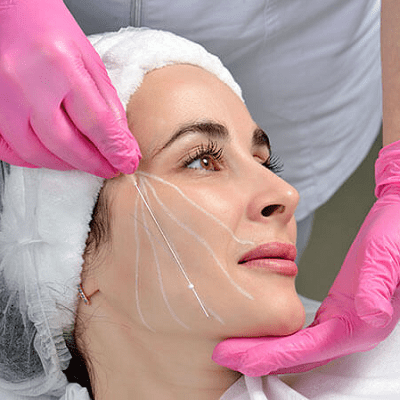
Microneedling creates tiny controlled micro-injuries in the skin using very fine needles.
That sounds aggressive, but when performed correctly by trained professionals, it can help with melasma in several ways:
1. Better Absorption of Pigment-Fighting Ingredients:
This is probably the biggest advantage.
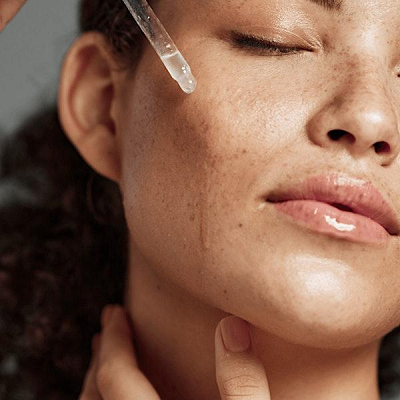
Studies show microneedling can improve penetration of topical treatments like:
- Tranexamic acid
- Vitamin C
- Azelaic acid
- Hydroquinone
One clinical study found significantly better melasma improvement when tranexamic acid was combined with microneedling compared to microneedling alone.
2. Controlled Skin Remodeling:
Melasma often sits deeper than people think. Microneedling encourages skin renewal and can gradually reduce uneven pigmentation over time.
3. Lower Heat Compared to Lasers:
This matters a lot.
Many laser treatments generate heat, which can actually worsen melasma in darker skin tones. Microneedling is considered safer because it’s a non-thermal procedure.
That said, “safer” doesn’t mean risk-free.
Can Microneedling Make Melasma Worse?
Yes, and this is something many clinics gloss over.
If the treatment is too aggressive, done too deeply, or performed on irritated skin, it can trigger post-inflammatory hyperpigmentation (PIH). In simple terms, the skin becomes darker instead of lighter.
I’ve personally seen cases online where people had excellent results after one provider, then experienced rebound pigmentation after a rough session elsewhere. Technique matters more than most people realize.
The biggest risk factors include:
- Excessive needle depth
- Poor aftercare
- Sun exposure after treatment
- Inexperienced providers
- Aggressive pressure during treatment
This is why experienced practitioners usually prep melasma-prone skin beforehand with pigment-control products and strict sunscreen use.
Who Gets the Best Results?
Microneedling tends to work best for people who:
- Have epidermal or mixed melasma
- Use daily sunscreen consistently
- Follow a maintenance skincare routine
- Combine treatment with topical agents
- Avoid excessive heat and sun exposure
It’s usually less effective as a standalone treatment for severe hormonal melasma.
What Results Can You Realistically Expect?
Realistically, most people notice:
- Brighter skin tone
- Softer pigmentation patches
- More even texture
- Better response to skincare products
But melasma management is long-term. It’s not usually a “3 sessions and done forever” situation.
Most dermatologists recommend a combination approach:
- Sun protection
- Prescription topicals
- Maintenance skincare
- Occasional procedures
That balanced approach tends to outperform relying on microneedling alone.
Microneedling in Islamabad: Is It Worth Considering?
There’s definitely growing interest in professional microneedling in Islamabad, especially among patients looking for alternatives to aggressive laser treatments.
One thing I’ve noticed when evaluating clinics is that the best providers don’t oversell instant results. They usually assess:
- Your skin type
- Depth of pigmentation
- Hormonal triggers
- Previous reactions to treatments
At ARB Clinic, for example, practitioners often combine pigmentation management with personalized aftercare instead of treating microneedling as a one-size-fits-all procedure. That’s honestly the smarter approach for melasma patients.
Important Aftercare Tips:
After microneedling, your skin is temporarily more sensitive. This period can either help your results or ruin them.
Here’s what actually matters:
Do:
- Use mineral sunscreen daily
- Reapply SPF every few hours outdoors
- Stay indoors during peak heat if possible
- Keep skin hydrated
- Follow dermatologist-approved skincare
Don’t:
- Skip sunscreen “just once.”
- Use harsh scrubs or acids immediately after
- Sit in direct sun after treatment
- Expect overnight fading
FAQ’s:
How many Microneedling Sessions are Needed for Melasma?
Most people need around 3–6 sessions spaced several weeks apart. Maintenance treatments may also be necessary.
Is Microneedling Better than Lasers for Melasma?
For many darker skin tones, microneedling can be safer because it creates less heat than certain lasers. But treatment choice depends on your skin and pigmentation type.
Does Microneedling Permanently Remove Melasma?
No. Melasma is usually chronic and recurring. Microneedling helps manage symptoms rather than permanently curing the condition.
Can Microneedling be Combined with Tranexamic Acid?
Yes, and research suggests this combination may improve outcomes significantly.
Is Microneedling in Islamabad Safe?
It can be safe when performed by qualified professionals using sterile techniques and proper protocols for pigmentation-prone skin.
Final Thoughts!
Microneedling can absolutely help with Melasma Treatment, especially when used thoughtfully and combined with the right skincare strategy.
But success depends heavily on technique, provider experience, and aftercare. That’s the part many articles overlook.
If there’s one thing melasma teaches people, it’s patience. The best results usually come from gradual improvement, not aggressive treatments chasing quick fixes.
A careful, personalized approach will almost always outperform harsh treatments that leave the skin inflamed and reactive.